
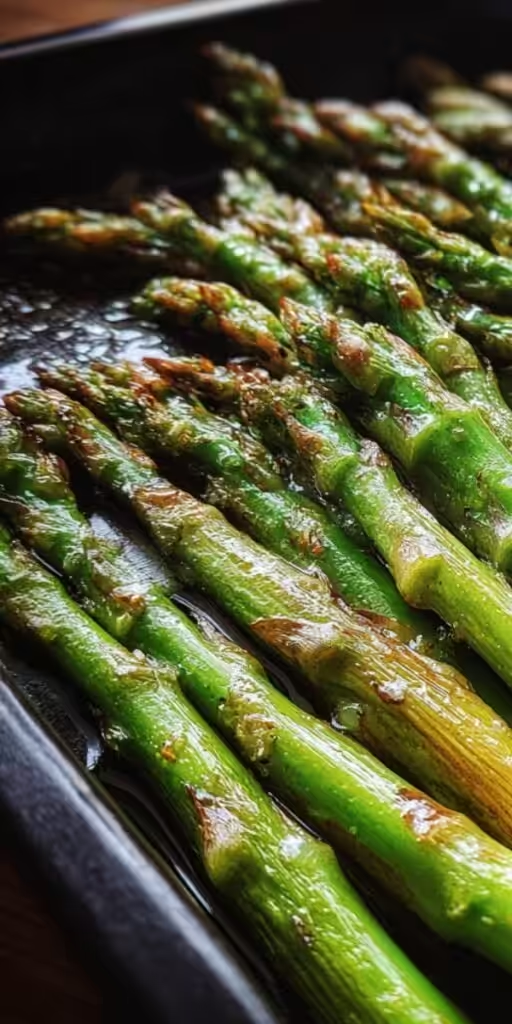
There’s something magical that happens when asparagus meets high heat in the oven. The stalks emerge transformed—tender yet crisp-tender, with caramelized tips that shatter ever-so-slightly between your teeth, and a concentrated flavor that tastes like the very essence of spring. As a culinary professional who has tested countless methods for preparing this elegant vegetable, I can confidently tell you that oven-roasting is the most foolproof, hands-off technique for achieving consistently spectacular results.
Whether you’re a seasoned home cook looking to perfect your side dish game or someone who’s previously been intimidated by cooking asparagus at home, this guide will walk you through every detail of creating perfectly roasted asparagus in the oven. I’ve spent years refining this method, testing temperatures, timing, and techniques to eliminate any guesswork. What you’ll find here isn’t just a recipe—it’s a complete masterclass in transforming a simple bunch of asparagus into something genuinely extraordinary.
Why Oven-Roasted Asparagus Deserves a Place in Your Regular Rotation
The beauty of roasted asparagus lies in its remarkable versatility. It’s elegant enough to grace your holiday table alongside a standing rib roast, yet simple enough to elevate a Tuesday night salmon fillet. The high, dry heat of the oven accomplishes what stovetop methods simply cannot: it concentrates the vegetable’s natural sugars through caramelization while maintaining structural integrity.
When asparagus is roasted properly, the exterior develops a delicate char that adds complexity, while the interior remains juicy and tender. This textural contrast is what separates good asparagus from unforgettable asparagus. Additionally, oven-roasting is largely hands-off—once the asparagus goes into the oven, you’re free to focus on the rest of your meal.
Selecting the Perfect Asparagus: Your Foundation for Success
Before we discuss technique, let’s talk about choosing the right asparagus. The quality of your finished dish depends heavily on the quality of your starting ingredients. When shopping for asparagus, look for these indicators of freshness:
Stalk firmness is your primary cue. Fresh asparagus should feel rigid, almost brittle. When you hold a stalk horizontally, it should snap rather than bend. Limp, wilting asparagus has already begun to deteriorate and will yield disappointing results.
The tips matter enormously. Look for tight, compact heads that appear almost like closed fists. Avoid bunches where the tips have become mushy, opened into tiny flowers, or taken on a darker, wet appearance. The tips are the most delicate part of the asparagus and will cook fastest, so they need to be in pristine condition.
Color should be consistent and vibrant. While green asparagus is most common, you might also encounter purple varieties, which tend to be slightly sweeter and more tender. Regardless of color, the stalks should show even coloration without significant blemishes or drying at the cut ends.
Thickness is a matter of preference and cooking application. Contrary to popular belief, thicker stalks (sometimes labeled as “jumbo” asparagus) are not necessarily tougher or woodier than their thinner counterparts. In fact, thicker asparagus was often harvested from more mature plants but can be exceptionally tender if properly prepared. For roasting, I actually prefer medium to thick stalks because they maintain their structure better during high-heat cooking and offer a more satisfying bite.
The Essential Preparation: Trimming and Washing
One question I encounter frequently is whether to peel asparagus. The answer depends entirely on the thickness of your stalks. For pencil-thin asparagus, peeling is unnecessary and would damage the delicate stalks. For medium to thick asparagus (roughly the diameter of a standard pencil or larger), peeling the bottom third to half of each stalk removes the fibrous outer layer that can become tough and chewy when cooked.
To peel asparagus, use a standard vegetable peeler and work from the midpoint of the stalk down toward the cut end. This simple step ensures that every part of the stalk is equally tender and enjoyable to eat.
Trimming is non-negotiable. The woody ends of asparagus are unpleasant to eat and must be removed. Rather than guessing where to cut, use the natural snap method: hold a stalk near the bottom and bend until it breaks. The asparagus will naturally snap at precisely the point where the tender portion meets the woody end. Use that first stalk as a guide for trimming the remainder of the bunch with a knife for consistency.
Wash your trimmed asparagus thoroughly but gently under cool running water to remove any grit or sand, which tends to hide in the tips. Pat completely dry with a clean kitchen towel or paper towels—excess moisture is the enemy of browning and caramelization.
The Science of Perfect Roasting: Understanding Your Oven
Achieving perfectly roasted asparagus requires understanding a few fundamental principles of heat transfer and vegetable chemistry. When asparagus is exposed to high heat (we’re aiming for 425°F/218°C), several important transformations occur:
First, surface moisture evaporates rapidly, allowing the exterior to reach temperatures high enough for browning reactions to occur. This browning, known scientifically as the Maillard reaction, creates hundreds of new flavor compounds that add depth and complexity far beyond the vegetable’s raw state.
Second, the vegetable’s cell walls begin to soften and break down, converting tough structural components into tender, succulent flesh. The natural sugars within the asparagus concentrate and caramelize, creating a subtle sweetness that balances the vegetable’s inherent grassy, slightly bitter notes.
Third, the high heat ensures rapid cooking, which preserves the bright green color that makes asparagus so visually appealing. Prolonged cooking at lower temperatures allows chlorophyll to degrade, resulting in that unappealing olive-drab color that gives asparagus a bad reputation.
The Master Recipe: Perfectly Roasted Asparagus
Now that we’ve covered the foundational knowledge, let’s dive into the recipe itself. This master method will produce consistently excellent roasted asparagus that you can customize with endless variations.
Ingredients
- 1 pound fresh asparagus, trimmed and peeled if thick
- 2 tablespoons high-quality extra virgin olive oil
- ¾ teaspoon kosher salt (use slightly less if using fine table salt)
- ¼ teaspoon freshly ground black pepper
- Optional: Fresh lemon wedges for serving
Equipment
- Rimmed baking sheet (half-sheet pan)
- Parchment paper or aluminum foil (optional, for easy cleanup)
- Tongs
- Vegetable peeler (if working with thick asparagus)
Instructions
Step 1: Preheat Your Oven Properly
Position your oven rack in the center position and preheat to 425°F (218°C). A properly preheated oven is crucial—if your oven hasn’t reached temperature, the asparagus will steam rather than roast, compromising both texture and flavor development.
Step 2: Prepare Your Baking Sheet
While the oven heats, line your rimmed baking sheet with parchment paper for effortless cleanup. If you don’t have parchment, you can roast directly on the pan—just be prepared for a bit more scrubbing later.
Step 3: Season the Asparagus
Place the trimmed, dried asparagus on the prepared baking sheet. Drizzle with olive oil and use your hands or tongs to toss until every stalk is evenly coated. The oil serves multiple purposes: it conducts heat efficiently, promotes browning, adds richness, and helps the salt and pepper adhere.
Sprinkle the kosher salt and black pepper over the asparagus, then toss again to distribute the seasonings evenly. Arrange the stalks in a single layer, ensuring they aren’t overcrowded. Overcrowding traps steam and prevents proper browning—if your asparagus doesn’t fit in a single layer, use two baking sheets or roast in batches.
Step 4: Roast to Perfection
Transfer the baking sheet to the preheated oven. Roast for 10-15 minutes, depending on the thickness of your stalks and your desired level of doneness. There’s no need to flip the asparagus during roasting—the high heat and single layer ensure even cooking.
Step 5: Test for Doneness
After 10 minutes, begin checking for doneness. Perfectly roasted asparagus should be tender when pierced with a fork but still offer some resistance—it shouldn’t be mushy or falling apart. The tips should be lightly crisped and beginning to caramelize, and you should see some browning on the stalks.
Step 6: Serve Immediately
Remove from the oven and transfer to a serving platter. A final squeeze of fresh lemon juice brightens the flavors beautifully and provides a counterpoint to the rich, roasted notes. Serve hot or warm—asparagus is at its absolute best straight from the oven.
The Secret to Next-Level Flavor: Umami Enhancement
While the basic recipe produces exceptional results, I want to share a professional secret that elevates roasted asparagus from excellent to extraordinary: a finishing element that adds depth and complexity. After years of testing, I’ve found that a light shower of finely grated Parmigiano-Reggiano during the final minutes of roasting creates a savory crust that complements the vegetable’s natural sweetness perfectly.
If you’d like to try this enhancement, simply sprinkle about 2 tablespoons of finely grated Parmigiano-Reggiano over the asparagus during the last 3-4 minutes of roasting. The cheese will melt and crisp slightly, forming a delicate, savory crust. Alternatively, a sprinkle of toasted breadcrumbs tossed with a bit of olive oil and fresh herbs adds wonderful texture.
Timing and Temperature: Finding Your Sweet Spot
The ideal roasting time depends on several variables, including asparagus thickness, your oven’s actual temperature (they vary significantly), and your personal texture preferences. Here’s a general guide:
- Thin asparagus (pencil-thin): 7-10 minutes at 425°F
- Medium asparagus (standard grocery store thickness): 10-12 minutes at 425°F
- Thick asparagus (jumbo): 12-15 minutes at 425°F
If you prefer your asparagus with more caramelization and deeper browning, you can extend cooking time by a few minutes or increase the temperature to 450°F and reduce cooking time slightly. Conversely, if you prefer a more tender, less caramelized result, reduce temperature to 400°F and cook a few minutes longer.
Endless Variations: Customizing Your Roasted Asparagus
One of the greatest strengths of this recipe is its adaptability. Once you’ve mastered the basic technique, you can create countless variations simply by changing the seasonings and additions. Here are some of my favorite combinations:
Mediterranean Style: Toss the asparagus with olive oil, minced garlic, dried oregano, and a pinch of red pepper flakes before roasting. After roasting, finish with crumbled feta cheese, chopped fresh parsley, and a drizzle of good balsamic glaze.
Lemon-Herb Delight: Add the zest of one lemon to the olive oil before tossing with asparagus. Roast as directed, then finish with fresh lemon juice, chopped fresh dill, and fresh chives. This bright, fresh combination pairs beautifully with fish or chicken.
Balsamic-Glazed Beauty: Toss the asparagus with olive oil, salt, and pepper, then roast. During the last 5 minutes, drizzle with a tablespoon of good balsamic vinegar and return to the oven. The vinegar will concentrate and become syrupy, coating the asparagus in sweet-tart goodness.
Garlic-Parmesan Perfection: Toss the asparagus with olive oil, minced fresh garlic, salt, and pepper. During the last 4 minutes of roasting, sprinkle with finely grated Parmigiano-Reggiano and return to the oven until the cheese melts and begins to brown.
Sesame-Ginger Inspiration: Toss the asparagus with toasted sesame oil (use half sesame oil and half neutral oil, as pure sesame oil can be overpowering), grated fresh ginger, and a splash of tamari or coconut aminos. After roasting, sprinkle with toasted sesame seeds.
Everything Bagel Version: Toss with olive oil, then sprinkle generously with everything bagel seasoning before roasting. The combination of sesame seeds, poppy seeds, garlic, onion, and salt creates incredible flavor and texture.
Make-Ahead and Reheating Strategies
While roasted asparagus is undoubtedly best enjoyed immediately, I understand that meal prep and entertaining often require advance preparation. Here’s how to handle make-ahead situations:
To prepare in advance, you can trim and wash the asparagus up to two days ahead, storing it upright in a container with about an inch of water, covered loosely with a plastic bag. Alternatively, wrap the spears in damp paper towels and place in a sealed bag in the refrigerator.
If you need to roast ahead of time, undercook slightly—aim for the asparagus to be just tender but still quite firm. Spread the roasted asparagus on a baking sheet to cool quickly, then refrigerate in a single layer in an airtight container. To reheat, spread on a baking sheet and warm in a 350°F oven for 5-7 minutes, or until heated through. Avoid microwaving, which will make the asparagus limp and watery.
Troubleshooting Common Issues
Even experienced cooks occasionally encounter problems with roasted asparagus. Here are solutions to the most common issues:
Soggy asparagus almost always results from overcrowding the pan or insufficient oven heat. Ensure your asparagus is thoroughly dried before oiling, use a pan large enough for a single layer, and verify your oven temperature with an independent oven thermometer.
Burnt tips but undercooked stalks indicate that your heat is too high or your asparagus placement is problematic. The delicate tips cook faster than the stalks. To prevent burning, you can arrange the asparagus with all tips pointing in the same direction and shield them with a strip of foil if necessary.
Uneven cooking typically occurs with asparagus of varying thicknesses. Try to select bunches with similarly sized stalks, or cut thicker stalks in half lengthwise to create more uniform pieces.
Pale, unappetizing color suggests insufficient heat or overcrowding. Remember that proper browning requires high, dry heat and space between pieces.
Serving Suggestions and Pairings
Perfectly roasted asparagus is remarkably versatile and complements an enormous range of main dishes. Here are some classic and creative pairings:
Protein pairings: Grilled salmon, roasted chicken, seared scallops, steak, poached eggs (for a spectacular brunch), or simply served alongside a wedge of frittata.
Grain companions: Serve over creamy polenta, alongside wild rice pilaf, or mixed into warm quinoa with fresh herbs and lemon.
Pasta partnerships: Toss chopped roasted asparagus with pasta, fresh peas, ricotta, and lemon zest for a quick spring supper.
Holiday table: Roasted asparagus fits seamlessly into Thanksgiving, Easter, and Christmas menus, providing a bright, fresh counterpoint to richer dishes.
Nutritional Benefits
Beyond its delicious flavor and texture, asparagus offers impressive nutritional credentials. It’s an excellent source of folate, vitamins A, C, E, and K, and provides significant amounts of chromium, a trace mineral that enhances insulin’s ability to transport glucose from bloodstream into cells. Asparagus is also a natural diuretic and contains high levels of the antioxidant glutathione.
A single serving of roasted asparagus prepared according to this recipe contains approximately:
- Calories: 85
- Total Fat: 7g
- Carbohydrates: 5g
- Fiber: 2.5g
- Protein: 3g
- Sodium: 350mg (varies with salt amount)
Your Journey to Asparagus Mastery Begins Now
Perfectly roasted asparagus represents one of those culinary skills that rewards practice with disproportionately excellent results. The technique is simple enough for a beginner to master on the first attempt, yet nuanced enough that experienced cooks continue to refine their approach over years of practice.
I encourage you to start with the basic recipe, then experiment with variations to discover your personal favorites. Pay attention to how different olive oils affect the final flavor, how various salts interact with the vegetable’s natural taste, and how timing adjustments change the texture. Before long, you’ll develop an intuitive sense for exactly when asparagus is perfectly roasted—a skill that will serve you well for a lifetime of cooking.
Have you tried this method? I’d love to hear about your results and any creative variations you discover. Leave a comment below sharing your experience, rate the recipe, and let me know what other vegetable roasting guides you’d like to see. Don’t forget to share this article with fellow cooking enthusiasts who deserve to experience the joy of perfectly roasted asparagus.
Ready to expand your vegetable roasting repertoire? Explore our guides to roasting Brussels sprouts, cauliflower steaks, and rainbow carrots—all using the same fundamental techniques you’ve learned here. Each vegetable responds differently to high-heat roasting, and understanding these nuances will transform you into a truly confident vegetable cook.
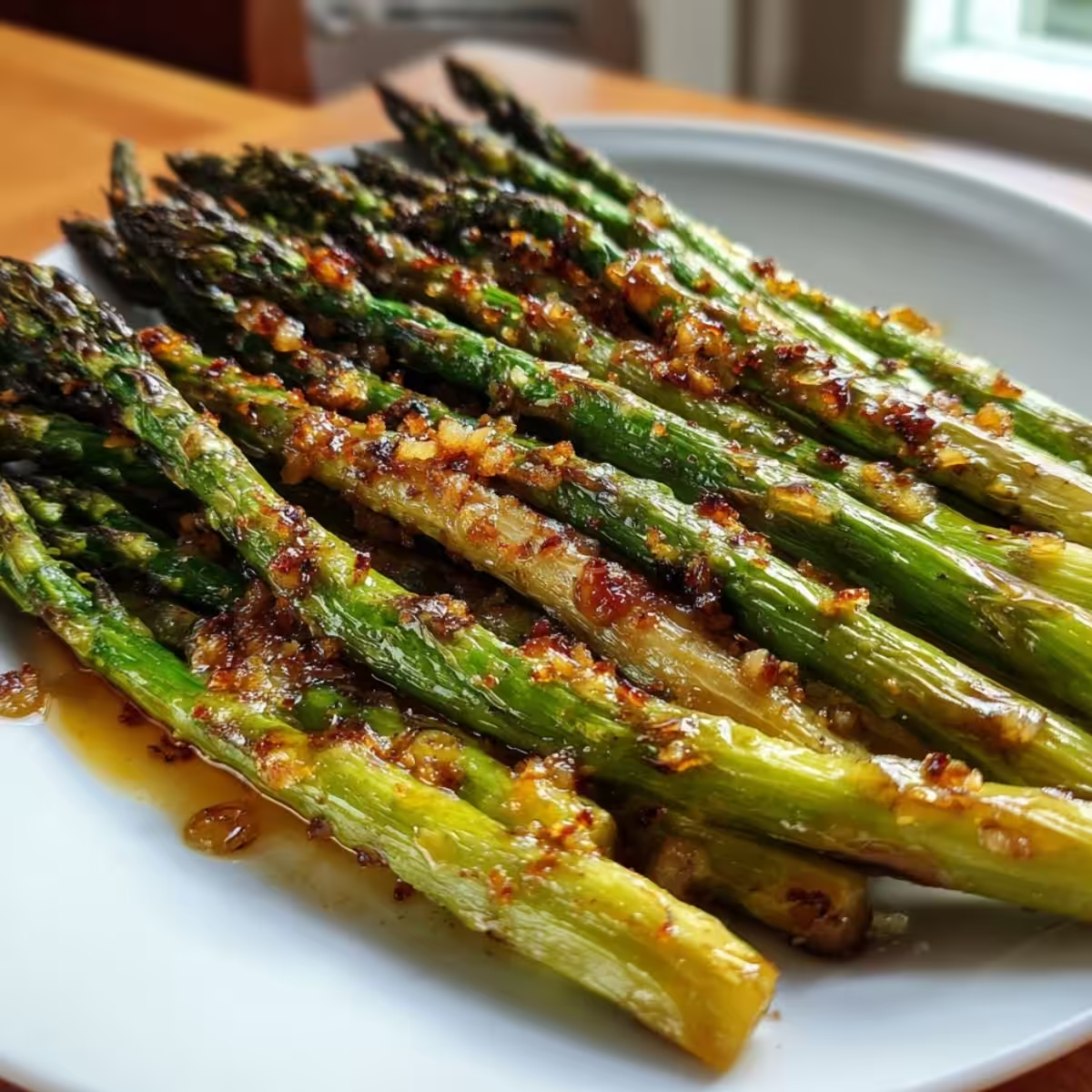

Perfectly Roasted Asparagus in the Oven
Ingredients
Equipment
Method
- Position oven rack in center and preheat oven to 425°F (218°C).
- Place trimmed asparagus on a rimmed baking sheet. Drizzle with olive oil and toss until evenly coated.
- Sprinkle with salt and pepper, then toss again to distribute seasonings. Arrange in a single layer.
- Roast for 10-15 minutes, depending on thickness, until tender and tips are lightly caramelized.
- Serve immediately with fresh lemon wedges if desired.