
There are few side dishes that strike the perfect balance between elegant simplicity and irresistible flavor quite like Oven Roasted Parmesan Asparagus. It is the dish that transforms a weeknight dinner into something that feels special, yet it requires minimal effort and just a handful of pantry staples. When the spears emerge from the oven, their tips delightfully crisp, their bodies tender, and a golden, savory crust of Parmesan clinging to every edge, you have achieved vegetable perfection.
As a culinary enthusiast and someone who spends a great deal of time in the kitchen perfecting recipes, I can tell you that this particular preparation is my go-to for a reason. It consistently delivers on texture and taste, converting even the most skeptical vegetable-eaters at the table. This comprehensive guide will walk you through everything you need to know to master this dish. We will explore the simple techniques that guarantee success, delve into the reasons why certain ingredients work, and provide you with a wealth of variations to keep this recipe fresh and exciting for years to come. Whether you are a seasoned home cook or just starting your culinary journey, this Oven Roasted Parmesan Asparagus is destined to become a staple in your repertoire.
Why This Recipe Works Every Time
The magic of this recipe lies not in complexity, but in the thoughtful application of a few key techniques and high-quality ingredients. Understanding the “why” behind each step empowers you to cook with confidence and achieve consistent, restaurant-quality results at home.
The Power of High Heat
Roasting at a high temperature, typically around 400°F (200°C), is the secret to achieving the desirable textural contrast we are looking for. The intense heat serves two purposes simultaneously. First, it rapidly drives moisture from the surface of the asparagus, allowing it to brown and caramelize. This browning, known as the Maillard reaction, is responsible for creating deep, complex, savory flavors that simply cannot be achieved through steaming or boiling. Second, while the exterior is crisping, the inside of the spear steams gently, becoming perfectly tender without turning mushy. The goal is to find that sweet spot where the spear offers a slight resistance to the tooth but yields easily, a texture we call “tender-crisp.”
The Role of Fat: A Flavor Conduit and Crisping Agent
A generous coating of good olive oil is non-negotiable here. The oil acts as a critical conductor of heat, ensuring the asparagus roasts evenly rather than steaming in its own juices. It helps the surface of the vegetable reach the high temperatures needed for caramelization. Furthermore, oil is a flavor carrier. It coats the palate, allowing the subtle, grassy notes of the asparagus to shine, and it creates the perfect adhesive surface for our flavorful crust. Using a quality extra virgin olive oil will impart a fruity, peppery note that elevates the entire dish.
The Secret Ingredient: Umami and Texture
While Parmesan cheese is the star of the title, the true secret to the addictive crust is a combination of two ingredients. For this recipe, I highly recommend a 50/50 mix of finely grated Parmesan and crisp panko breadcrumbs. The Parmesan provides an intense, salty, nutty flavor packed with umami—that savory depth that makes food so satisfying. The panko breadcrumbs, which are larger and flakier than traditional breadcrumbs, are the key to texture. They create a light, airy, and incredibly crunchy coating that clings to the oiled spears. As they roast, the crumbs toast to a golden brown while the Parmesan melts and forms craggy, irresistible bits of cheesy crust. This simple combination elevates the asparagus from a simple roasted vegetable to a crave-worthy dish.
Selecting and Preparing Your Asparagus
The foundation of any great dish is the quality of its ingredients. Choosing the right asparagus at the store or market is the first step toward success.
Choosing the Best Spears
When shopping for asparagus, look for firm, smooth stalks with tightly closed, compact tips. The tips should look dry and almost like they haven’t quite unfurled yet. Avoid any bunches with limp stalks, wet or mushy tips, or signs of drying out. The color should be a vibrant, rich green, though you may also find purple varieties, which are slightly sweeter and tender.
A common question is whether to choose thick or thin spears. The answer largely depends on your texture preference. Thin spears, often called pencil asparagus, are very delicate. They roast quickly and can become very tender, almost melting in your mouth, but they are also more prone to overcooking. Thicker spears have a more substantial, meatier bite. They hold up beautifully to high-heat roasting, developing a crisp-tender texture with a more pronounced snap. For this recipe, I personally favor medium to thick spears. Their sturdiness pairs perfectly with the robust Parmesan-panko crust, providing a satisfying contrast between the crunchy topping and the tender stalk.
The Essential Trim
The bottom ends of asparagus spears are famously woody and fibrous, making them unpleasant to eat. You must trim them. The most reliable method is not to guess; it’s to let the asparagus tell you where to cut. Take one spear and hold it firmly at the bottom end with one hand and about midway up the stalk with the other. Gently bend the spear until it snaps. It will naturally break at the exact point where the tender part of the stalk meets the tough, fibrous base. Use that spear as a guide and line the rest of the bunch up next to it, trimming all the bottoms with a sharp chef’s knife. For very thick spears, you can also use a vegetable peeler to lightly peel the skin from the bottom half of the stalk, which ensures even more uniform tenderness.
The Master Recipe: Easy Oven Roasted Parmesan Asparagus
Now, let’s bring all these principles together. This recipe is straightforward, reliable, and absolutely delicious.
Ingredients:
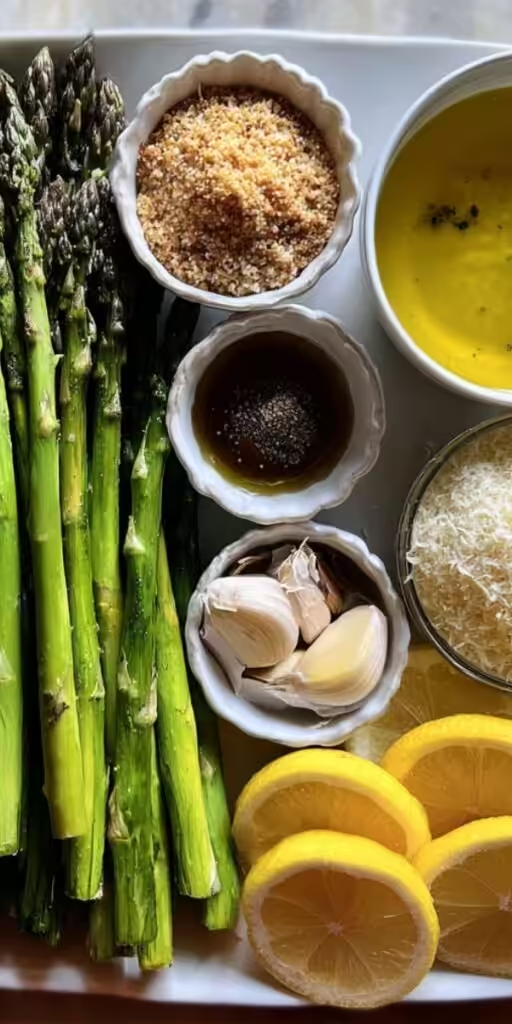
- 1 ½ pounds fresh asparagus spears, woody ends trimmed
- 2 tablespoons extra virgin olive oil
- ½ teaspoon fine sea salt
- ¼ teaspoon freshly ground black pepper
- 2 cloves garlic, minced (optional, but highly recommended)
- ⅓ cup finely grated Parmesan cheese
- ⅓ cup panko breadcrumbs
- Zest of ½ lemon (optional, for serving)
- Lemon wedges, for serving
Step-by-Step Instructions:
- Preheat and Prepare: Position a rack in the center of your oven and preheat it to 400°F (200°C). This ensures the oven is at the correct temperature for immediate and even roasting. Line a large, rimmed baking sheet with parchment paper for easy cleanup, or use a non-stick baking sheet.
- Season the Asparagus: Place the trimmed asparagus spears on the prepared baking sheet. Drizzle them with the extra virgin olive oil. Sprinkle with the salt, pepper, and minced garlic (if using). Using your hands, toss the spears gently but thoroughly until every spear is evenly coated in the oil and seasonings. Spread them out into a single, even layer. It is crucial that the spears are not overcrowded; they need space between them to allow hot air to circulate and promote roasting rather than steaming.
- Create the Parmesan Crust: In a small bowl, combine the finely grated Parmesan cheese and the panko breadcrumbs. Mix them together with a fork until they are evenly distributed.
- Apply the Topping: Sprinkle the Parmesan-panko mixture evenly over the oiled asparagus spears. Try to get a little on each spear, but don’t worry about being too precise. Some bits will fall onto the pan, where they will toast into crispy, crunchy, cheesy “frico” crumbs that are a delightful bonus.
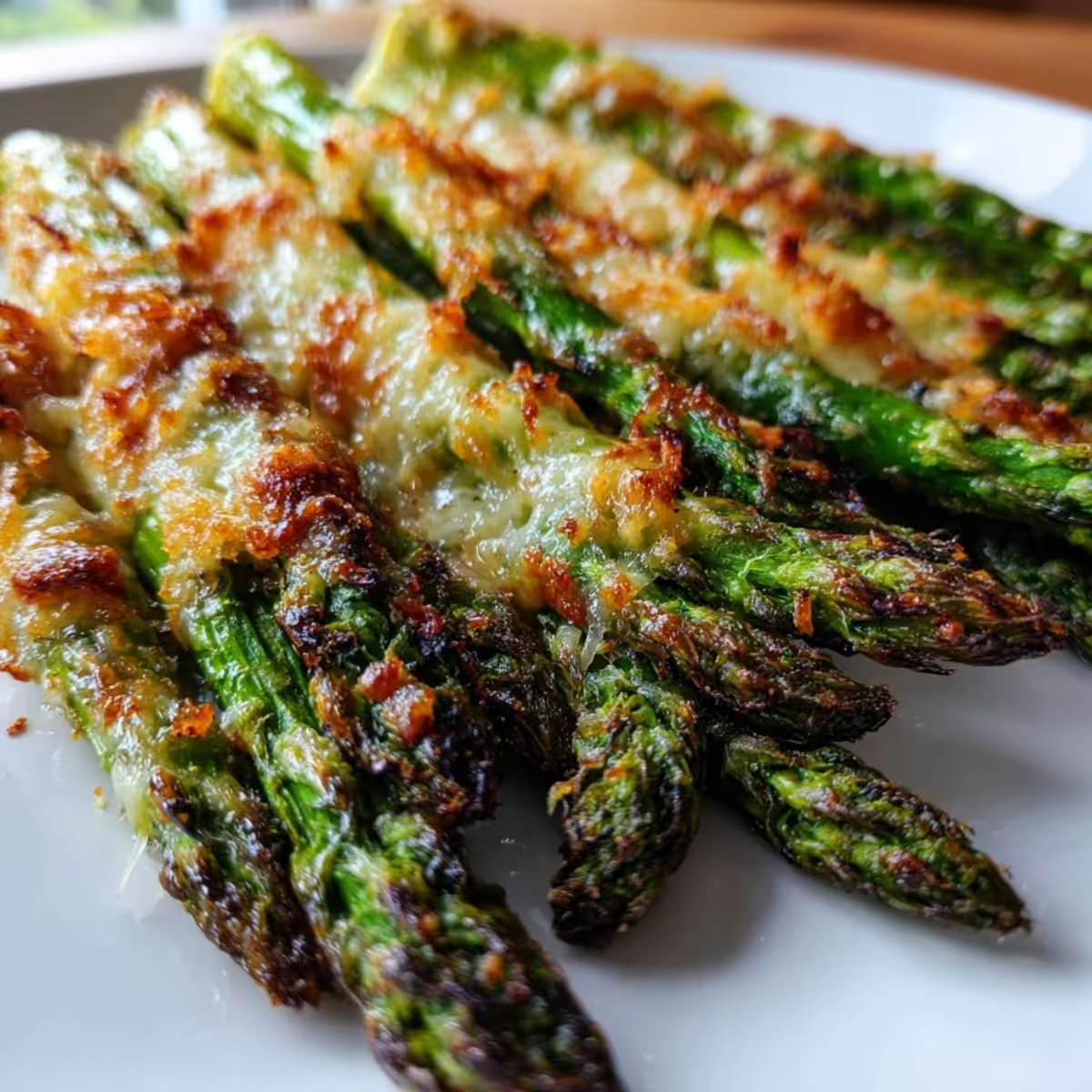
- Roast to Perfection: Place the baking sheet in the preheated oven. Roast for 10 to 15 minutes. The exact time will depend on the thickness of your asparagus. Begin checking at the 10-minute mark. The asparagus is done when it is tender-crisp (you can pierce it easily with a fork, but it still offers a slight resistance) and the topping is golden brown and fragrant. The tips will have started to caramelize and become delightfully crispy.
- Finish and Serve: Remove the baking sheet from the oven. If desired, immediately grate a little fresh lemon zest over the top for a burst of bright, citrusy aroma that cuts through the richness of the cheese. Serve hot, directly from the pan or transferred to a platter, with lemon wedges on the side for squeezing over the top just before eating.
Pro Tips for the Best Results
Even a simple recipe has its nuances. Here are a few professional tips to guarantee your asparagus turns out perfectly every time.
- Don’t Skip Drying the Asparagus: Before tossing the asparagus with oil, make sure the spears are completely dry after washing. If they are wet, the oil won’t adhere properly, and they will steam instead of roast. Pat them dry with a clean kitchen towel or paper towels.
- Grate Your Own Cheese: For the best flavor and texture, always grate your Parmesan from a block. Pre-shredded or powdered cheeses often contain starches and anti-caking agents that prevent them from melting and browning properly. Freshly grated Parmesan has a superior nutty flavor and will melt into a beautiful, cohesive crust.
- The Garlic Factor: Minced garlic is a wonderful addition, but it can burn easily at high temperatures. To prevent this, you can either toss the asparagus with the garlic and oil as directed, ensuring the garlic is well-coated, or you can use garlic powder (about ½ teaspoon) instead. Garlic powder distributes more evenly and is less prone to scorching, providing a more mellow, consistent flavor.
- Check for Doneness Early: Ovens can vary, and asparagus thickness is never uniform. It’s always better to check a minute or two early than to end up with limp, overcooked spears. Look for vibrant green color with browned tips and a fork that meets just a little resistance.
Delicious Variations and Substitutions
One of the best things about this recipe is its versatility. It serves as a perfect canvas for a wide range of flavors and dietary needs.
Simple Flavor Twists:
- Lemon Herb: Add 1 teaspoon of fresh thyme leaves or ½ teaspoon of dried oregano to the Parmesan-panko mixture. Serve with a generous squeeze of fresh lemon juice.
- Spicy “Arrabbiata” Style: Add ¼ to ½ teaspoon of red pepper flakes to the oil along with the salt and pepper for a pleasant kick of heat.
- Balsamic Glaze: After roasting, drizzle the hot asparagus with a teaspoon or two of a good quality, thick balsamic glaze. The sweet and tangy syrup is a classic and incredible pairing.
- Toasted Nut Crunch: Replace half of the panko breadcrumbs with finely chopped walnuts, almonds, or pistachios for an extra layer of texture and nutty flavor.
Dietary Adaptations:
- Gluten-Free: This recipe is easily made gluten-free. Simply substitute the panko breadcrumbs with your favorite gluten-free panko alternative. Many brands offer excellent options that toast up just as crispy.
- Vegan / Dairy-Free: To make a delicious vegan version, you have two excellent options. The first is to use a high-quality nutritional yeast in place of the Parmesan, which provides a wonderfully cheesy, savory flavor. The second is to use a finely grated, plant-based Parmesan-style alternative that is designed to melt and brown. You may need to add an extra tablespoon of panko to help with crisping.
- Nut-Free: This recipe is naturally nut-free as written. Just be sure to use certified nut-free ingredients if you are cooking for someone with a severe allergy.
Serving Suggestions: A Versatile Side Dish
Oven Roasted Parmesan Asparagus is far more than just a side dish; it’s a versatile component that can enhance almost any meal.
- The Classic Protein Pairing: It is the quintessential companion for simply prepared proteins. Serve it alongside a perfectly seared steak, roasted chicken, pan-fried pork chops, or a delicate piece of baked salmon. The savory, cheesy crust complements the richness of the meat or fish beautifully.
- Pasta Perfection: Toss the roasted asparagus (you may want to chop the spears into bite-sized pieces) into your favorite pasta dishes. It adds a wonderful texture and flavor to a creamy fettuccine, a light lemon spaghetti, or a hearty bolognese.
- Brunch Star: Leftover (if there is any!) roasted asparagus is fantastic chopped and folded into a morning frittata, a crustless quiche, or even served alongside eggs Benedict for a sophisticated brunch at home.
- Grain Bowl Booster: Add it to a nourish bowl with quinoa or farro, some roasted sweet potatoes, a handful of greens, and a creamy dressing for a satisfying and healthy lunch.
- Holiday Table Essential: This dish is elegant enough to grace your Thanksgiving, Easter, or Christmas dinner table. It looks stunning on a platter and offers a fresh, vibrant counterpoint to heavier holiday casseroles and roasts.
Storing and Reheating Leftovers
While this dish is best enjoyed fresh from the oven, you can certainly store and enjoy leftovers.
- Storage: Allow any leftover asparagus to cool completely. Place it in an airtight container and store it in the refrigerator for up to 3 days.
- Reheating for Crispiness: The key to reviving the texture is to avoid the microwave, which will make the asparagus soggy and the crust soft. The best method is to reheat it in the oven or an air fryer. Spread the spears on a baking sheet and warm them in a 350°F (175°C) oven for 5-7 minutes, or until heated through and the crust has re-crisped. An air fryer works even faster, at 350°F for about 2-3 minutes.
Frequently Asked Questions
Can I use frozen asparagus?
I highly recommend using fresh asparagus for this recipe. Frozen asparagus has a much higher water content. When it roasts, it releases that water, making it difficult for the spears to brown properly and for the crust to become crispy. The result is often a soggy dish. If you are in a pinch, you can try roasting frozen asparagus, but do not thaw it first. Increase the roasting time and expect a softer, less caramelized result.
Why is my asparagus limp and soggy?
Soggy asparagus is almost always a result of one of two issues: the pan was overcrowded, causing the spears to steam, or they were simply roasted for too long. Ensure your spears have space between them on the baking sheet and start checking for doneness at the minimum recommended time.
Do I need to peel asparagus?
For medium to thick spears, it is not necessary. The skin is tender and edible after roasting. For very thick, jumbo-sized spears, peeling the bottom half of the stalk can help ensure it cooks at the same rate as the tip, resulting in a more uniformly tender spear. It’s an optional step that adds a touch of refinement.
Conclusion: Your New Go-To Side Dish
This Oven Roasted Parmesan Asparagus is more than just a recipe; it’s a technique that you will return to again and again. It champions simplicity, letting a few high-quality ingredients shine through the magic of proper roasting. The result is a dish that is at once elegant and comforting, healthy and indulgent, simple and sophisticated.
I encourage you to make this your own. Experiment with the suggested variations, find your favorite way to serve it, and share it with the people you love. When you do, I’d love to hear about it. Leave a comment below and let me know how it turned out, or share a photo of your creation. Don’t forget to rate the recipe to help others discover just how wonderful perfectly roasted asparagus can be. Happy cooking!

Easy Oven Roasted Parmesan Asparagus
Ingredients
Equipment
Method
- Preheat your oven to 400°F (200°C). Line a large, rimmed baking sheet with parchment paper for easy cleanup.
- Place the trimmed asparagus spears on the prepared baking sheet. Drizzle with olive oil and sprinkle with salt, pepper, and minced garlic (if using). Toss well to ensure every spear is evenly coated. Spread the asparagus in a single, even layer, ensuring they are not overcrowded.
- In a small bowl, combine the finely grated Parmesan cheese and panko breadcrumbs. Mix until evenly distributed.
- Sprinkle the Parmesan-panko mixture evenly over the oiled asparagus spears.
- Roast in the preheated oven for 10 to 15 minutes, or until the asparagus is tender-crisp and the topping is golden brown and crispy. The tips will be slightly caramelized.
- Remove from the oven. If desired, grate fresh lemon zest over the top. Serve immediately with lemon wedges on the side for squeezing.