
There’s something magical about a soft, buttery sugar cookie topped with a delicate, sweet icing. For years, I thought that magic was lost when I switched to a low-carb lifestyle. Traditional sugar cookies are loaded with refined flour and cane sugar—two ingredients that derail ketosis almost instantly. But after dozens of tests in my kitchen, I’ve finally created the best keto sugar cookies with icing that taste like the real thing.
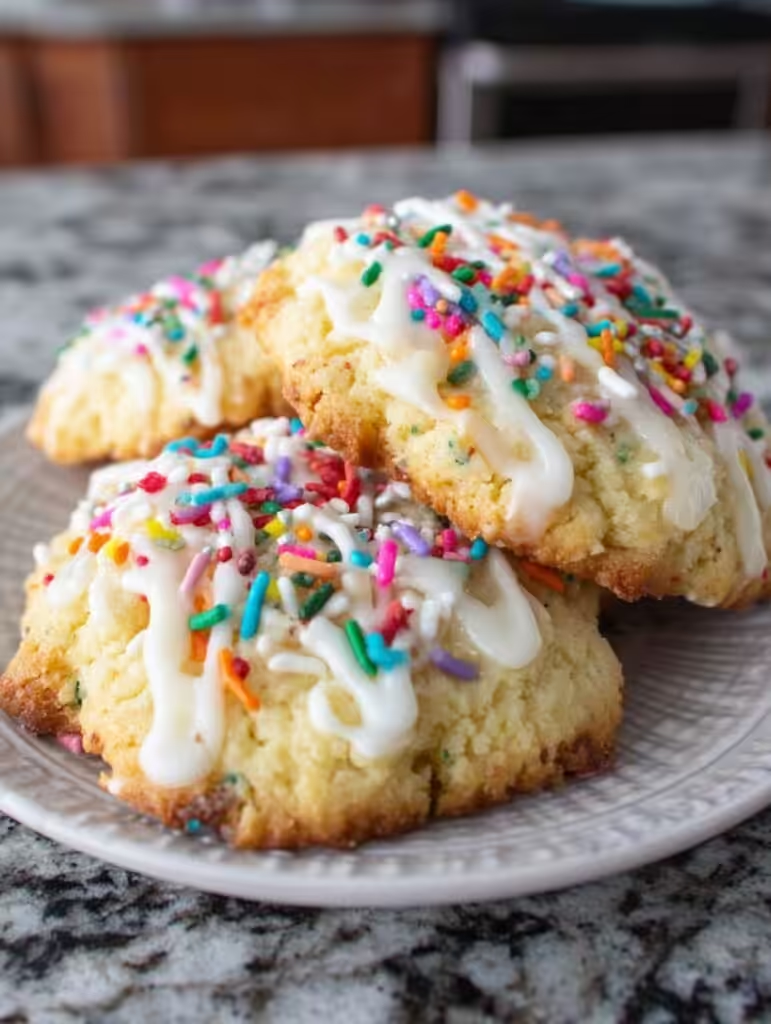
These aren’t dry, crumbly, or bland. They have that perfect tender bite, a gentle vanilla sweetness, and a smooth icing that sets without becoming rock hard. Whether you’re baking for the holidays, a birthday, or just a Tuesday afternoon craving, this easy sugar-free dessert delivers every single time.
I’ll walk you through every detail—why certain ingredients work, how to avoid common pitfalls, and how to customize these cookies for any dietary need. No alcohol-based extracts, no hidden sugars, and absolutely no compromise on flavor.
Why This Recipe Works (The Simple Science of Keto Baking)
Keto baking can be frustrating. Almond flour behaves nothing like wheat flour, and sugar substitutes don’t caramelize or crystalize the same way. So what makes these sugar-free cookies different?
The perfect flour blend. This recipe uses a carefully calibrated mix of super-fine almond flour and a small amount of coconut flour. Almond flour provides moisture and fat, creating that tender, melt-in-your-mouth texture. Coconut flour absorbs excess liquid and adds structure, preventing the cookies from spreading into greasy puddles.
The right sweetener. Not all keto sweeteners are created equal. I recommend powdered allulose or a powdered erythritol-monk fruit blend. Allulose caramelizes and browns like real sugar, while erythritol provides that familiar crystalline sweetness. Powdering the sweetener eliminates graininess, giving you a smooth cookie and icing.
The secret to softness. One unexpected ingredient—cream cheese—transforms these cookies. A small amount of full-fat cream cheese adds moisture, richness, and that slightly tangy note that balances sweetness beautifully. It also helps the cookies stay soft for days.
No chilling required. Unlike many keto cookie recipes that demand hours of refrigeration, this dough comes together and bakes immediately. The combination of cream cheese and the right fat ratio keeps the dough workable without spreading.
Essential Ingredients for Keto Sugar Cookies
Let’s break down exactly what you’ll need. Every ingredient serves a purpose.
For the Cookies
Super-fine almond flour (2 ½ cups) – Use blanched almond flour, not almond meal. The fine texture creates smoother cookies. Bob’s Red Mill and Blue Diamond are reliable brands.
Coconut flour (¼ cup) – Just enough to absorb excess moisture. Don’t skip this or add more—too much makes dry, crumbly cookies.
Powdered keto sweetener (¾ cup) – Allulose or erythritol-based blends work best. Powder your own by grinding granulated sweetener in a clean coffee grinder for 10 seconds.
Full-fat cream cheese (4 oz), softened – Let it sit at room temperature for 30 minutes before starting.
Unsalted butter (½ cup), softened – Grass-fed butter adds better flavor and texture.
One large egg, room temperature – Binds everything together and adds structure.
Alcohol-free vanilla extract (1 ½ teaspoons) – Many vanilla extracts contain alcohol. Look for “alcohol-free” or “glycerin-based” vanilla. You can also use vanilla bean powder (½ teaspoon).
Baking powder (1 teaspoon) – Provides gentle lift. Make sure it’s fresh.
Salt (¼ teaspoon) – Enhances sweetness and balances flavors.
For the Icing
Powdered keto sweetener (¾ cup) – Again, use powdered allulose or erythritol. Allulose creates a softer, more glaze-like icing. Erythritol sets harder—great for stackable cookies.
Full-fat coconut milk (2–3 tablespoons) – Use the thick, creamy part from a chilled can. Heavy cream or unsweetened almond milk also work.
Alcohol-free vanilla extract (½ teaspoon) – Keeps the icing alcohol-free.
Pinch of salt – Prevents the icing from tasting flat.
Optional for Decoration
Natural food coloring – Beet powder, turmeric, or spirulina for color without chemicals.
Sugar-free sprinkles – Available online or in specialty stores.
Step-by-Step Instructions for Perfect Keto Sugar Cookies
Step 1: Preheat and Prepare
Preheat your oven to 350°F (175°C). Line two large baking sheets with parchment paper. Avoid silicone mats for this recipe—they can cause excessive spreading.
Step 2: Combine Dry Ingredients
In a medium bowl, whisk together the almond flour, coconut flour, baking powder, and salt. Set aside. Whisking aerates the flours and ensures even distribution of the leavening agent.
Step 3: Cream the Fats and Sweetener
In a large mixing bowl, beat the softened butter, softened cream cheese, and powdered sweetener together. Use an electric hand mixer or stand mixer fitted with the paddle attachment. Beat on medium speed for 2–3 minutes until light, fluffy, and pale in color. This step incorporates air, which contributes to a tender texture.
Step 4: Add Wet Ingredients
Add the room-temperature egg and the alcohol-free vanilla extract. Beat on low until just combined. Scrape down the sides of the bowl with a rubber spatula. The mixture may look slightly curdled at this stage—that’s normal.
Step 5: Form the Dough
Gradually add the dry flour mixture to the wet mixture, mixing on low speed. Stop as soon as the dough comes together. Over-mixing develops toughness in keto baked goods. The final dough should be soft, pliable, and slightly sticky but not wet.
Step 6: Shape the Cookies
Scoop tablespoon-sized portions of dough (about 20 grams each) and roll them into smooth balls between your palms. Place them 2 inches apart on the prepared baking sheets. Flatten each ball slightly with the bottom of a glass or your fingertips—about ½-inch thickness. These cookies won’t spread much, so shape them exactly as you want them to look after baking.
Pro tip: For perfectly round cookies, use a 2-inch cookie cutter as a guide. Press the dough ball flat, then gently reshape the edges.
Step 7: Bake
Bake one sheet at a time on the middle oven rack. Bake for 8–10 minutes, rotating the pan halfway through. The cookies are done when the edges turn lightly golden brown. The centers will look soft and slightly underdone—that’s exactly what you want. Over-baking produces dry, crumbly cookies.
Step 8: Cool Completely
Remove the baking sheet from the oven and let the cookies rest on the pan for 5 minutes. They’ll be very fragile at this stage. After 5 minutes, transfer them to a wire cooling rack. Allow to cool completely—at least 30 minutes—before icing. Warm cookies will melt the icing into a puddle.
Step 9: Make the Icing
While the cookies cool, prepare the icing. Sift the powdered sweetener into a small bowl to remove any lumps. Add the alcohol-free vanilla extract and a pinch of salt. Add coconut milk one tablespoon at a time, whisking until smooth. The icing should be thick but pourable—similar to heavy cream. Add more liquid drop by drop if needed.
Step 10: Ice the Cookies
Once the cookies are completely cool, dip the top of each cookie into the icing, or use a small offset spatula to spread it evenly. For a classic drizzle look, spoon the icing into a small zip-top bag, snip off a tiny corner, and pipe designs. Let the icing set at room temperature for 20–30 minutes before serving or stacking.
Achieving the Perfect Texture (Troubleshooting Guide)
My cookies spread too much. This usually means the butter or cream cheese was too soft (melted, not softened). Chill the dough balls for 15 minutes before baking next time. Also, ensure you measured the coconut flour correctly—packed coconut flour absorbs less moisture than lightly spooned flour.
My cookies are dry and crumbly. Over-baking is the usual culprit. Remove the cookies when the edges just start to brown. Another cause is over-measuring almond flour. Spoon the flour into your measuring cup and level it with a knife. Never scoop directly from the bag.
My cookies taste grainy. Your sweetener wasn’t powdered finely enough. Grind it longer, or buy a brand that’s already powdered. Allulose rarely turns grainy, making it my top recommendation.
The icing won’t set. You used too much liquid or the wrong sweetener. Erythritol sets firmly; allulose stays softer. If you need a firm icing for stacking, use powdered erythritol and reduce the liquid to 1–2 tablespoons.
The cookies browned too much on the bottom. Your oven runs hot. Reduce the temperature to 325°F and bake for 10–12 minutes instead. Always use a middle rack position.
Delicious Variations (Keep It Fresh)
One of the best things about this easy sugar-free dessert is how easily it adapts. Here are six ways to change up the flavor.
Lemon Sugar Cookies
Add 1 tablespoon of lemon zest and ½ teaspoon of alcohol-free lemon extract to the cookie dough. For the icing, replace the vanilla with lemon extract and add 1 teaspoon of lemon zest.
Chocolate Sugar Cookies
Replace ¼ cup of almond flour with ¼ cup of unsweetened cocoa powder. Increase the powdered sweetener to 1 cup to balance the cocoa’s bitterness. These taste remarkably like chocolate shortbread.
Cinnamon Roll Cookies
Add 1 tablespoon of ground cinnamon to the dry ingredients. For the icing, add ½ teaspoon of cinnamon as well. These pair beautifully with a morning cup of coffee.
Sprinkle Celebration Cookies
Fold ¼ cup of sugar-free sprinkles into the dough after mixing. Press additional sprinkles onto the tops before baking. Perfect for birthdays or holidays.
Chai Spice Cookies
Add 1 teaspoon of cardamom, 1 teaspoon of ginger, ½ teaspoon of cloves, and ½ teaspoon of nutmeg to the dry ingredients. The warm spices make these ideal for fall and winter baking.
Peppermint Holiday Cookies
Add ½ teaspoon of alcohol-free peppermint extract to the dough and another ¼ teaspoon to the icing. Crush sugar-free peppermint candies on top before the icing sets.
Substitutions for Every Diet
Nut-free version: Replace almond flour with 1 cup of sunflower seed flour and 1 ½ cups of additional coconut flour? Actually, that won’t work. Here’s the correct nut-free adaptation: Use 2 cups of sunflower seed flour and omit the coconut flour entirely. Add 1 extra tablespoon of coconut flour only if the dough feels too wet. Note that sunflower seed flour turns green when baked due to a reaction with baking soda. Adding 1 teaspoon of lemon juice or apple cider vinegar prevents this.
Dairy-free version: Replace the butter with coconut oil (solid, not melted). Replace the cream cheese with ¼ cup of coconut cream plus 1 teaspoon of apple cider vinegar. Use full-fat coconut milk for the icing.
Egg-free version: Replace the egg with a “flax egg” (1 tablespoon ground flaxseed mixed with 3 tablespoons warm water, rested for 5 minutes). The cookies will be slightly denser but still delicious.
Vegan version: Combine the dairy-free and egg-free substitutions above. Use coconut oil instead of butter, coconut cream instead of cream cheese, and a flax egg.
Lower-fat version: This isn’t recommended for strict keto, but you can replace half the butter with unsweetened applesauce. The cookies will be chewier and less rich.
Higher-protein version: Replace ¼ cup of almond flour with ¼ cup of unflavored whey protein isolate or egg white protein powder. Reduce the sweetener by 1 tablespoon since protein powders can taste sweet.
Storage, Freezing, and Make-Ahead Tips
Room temperature storage: Place fully cooled cookies in an airtight container with parchment paper between layers. They stay fresh for up to 5 days. The icing may soften slightly but will remain intact.
Refrigeration: These cookies actually taste better at room temperature, but you can refrigerate them for up to 2 weeks. Bring them to room temperature for 20 minutes before serving.
Freezing the dough: Scoop the dough into balls and place them on a parchment-lined baking sheet. Freeze until solid, then transfer to a freezer bag. Bake directly from frozen, adding 2–3 minutes to the baking time. No need to thaw.
Freezing baked cookies (un-iced): Cool completely, then freeze in a single layer on a baking sheet. Transfer to a freezer bag once solid. Ice after thawing for the best presentation.
Freezing iced cookies: Place iced cookies on a baking sheet and freeze until the icing is hard. Stack them in a freezer container with parchment between layers. Thaw at room temperature for 30 minutes. The icing may develop condensation but will dry again.
Make-ahead icing: Prepare the icing up to 5 days in advance and store it in an airtight container in the refrigerator. Bring to room temperature and whisk well before using. Add a few drops of coconut milk if it thickened too much.
Nutritional Information (Per Cookie)
Based on 24 cookies using allulose sweetener and full-fat ingredients.
- Calories: 112
- Fat: 10g
- Saturated Fat: 5g
- Carbohydrates: 4g
- Fiber: 2g
- Net Carbs: 2g
- Protein: 3g
- Sodium: 45mg
- Sugar Alcohols: 6g (not included in net carbs)
Macros will vary slightly based on your specific ingredients and sweetener choice.
Why This Is the Best Keto Sugar Cookies with Icing
I’ve tested more than twenty sugar cookie recipes over the past three years. Some were too crumbly. Others tasted overwhelmingly of coconut. Many developed a weird cooling effect from erythritol. This recipe solves every single problem.
The cream cheese keeps the texture soft and pliable. The dual-flour system provides structure without dryness. The alcohol-free vanilla extract delivers clean, pure flavor without any bitter aftertaste. And the icing—that beautiful, smooth, perfectly sweet icing—transforms a simple cookie into something worth celebrating.
Whether you’re new to keto or a seasoned low-carb baker, these cookies will earn a permanent spot in your recipe collection. They’re forgiving enough for beginners but impressive enough to serve at holiday parties. Kids love them. Non-keto guests won’t believe they’re sugar-free.
Frequently Asked Questions
Can I roll out this dough and use cookie cutters?
Yes, but with one adjustment. Chill the dough for 2 hours until firm. Roll it between two sheets of parchment paper to ¼-inch thickness. Cut shapes and carefully transfer them to the baking sheet. Bake for 7–9 minutes. The edges will be slightly less defined than wheat-based cookies, but the flavor remains excellent.
Why do you avoid alcohol-based extracts?
Alcohol-based extracts can leave a bitter, chemical taste in keto baking because the alcohol evaporates differently without sugar present. Alcohol-free extracts (glycerin-based or powdered) provide cleaner, truer flavors.
Can I double this recipe?
Absolutely. This recipe doubles perfectly. Mix the dough in two separate batches unless you have a very large stand mixer. Bake one sheet at a time for consistent results.
How do I get perfectly flat tops for icing?
Press the dough balls flat with the bottom of a drinking glass dipped in powdered sweetener (to prevent sticking). Aim for ½-inch thickness. The cookies will puff slightly but remain mostly flat.
My icing is too thin. How do I fix it?
Add more powdered sweetener one tablespoon at a time until the consistency thickens. If it becomes too thick, add liquid drop by drop. Remember—a little liquid goes a long way.
Can I use honey or maple syrup instead of keto sweetener?
No. Honey and maple syrup are high in sugar and carbohydrates. They’ll kick you out of ketosis and change the liquid ratio dramatically. Stick with keto-approved sweeteners for true sugar-free results.
Share Your Baking Success
I created this recipe because I believe nobody should feel deprived on keto. You deserve cookies that taste like cookies—not cardboard, not sadness, not “diet food.” These deliver exactly that.
When you bake these best keto sugar cookies with icing, I want to hear about it. Leave a comment below telling me how they turned out. Did you try one of the variations? Did your family notice they were sugar-free? Rate the recipe with stars so others know what to expect.
Snap a photo of your beautiful iced cookies and tag me on social media. Nothing makes me happier than seeing your kitchen victories.
Happy baking, and enjoy every single bite.
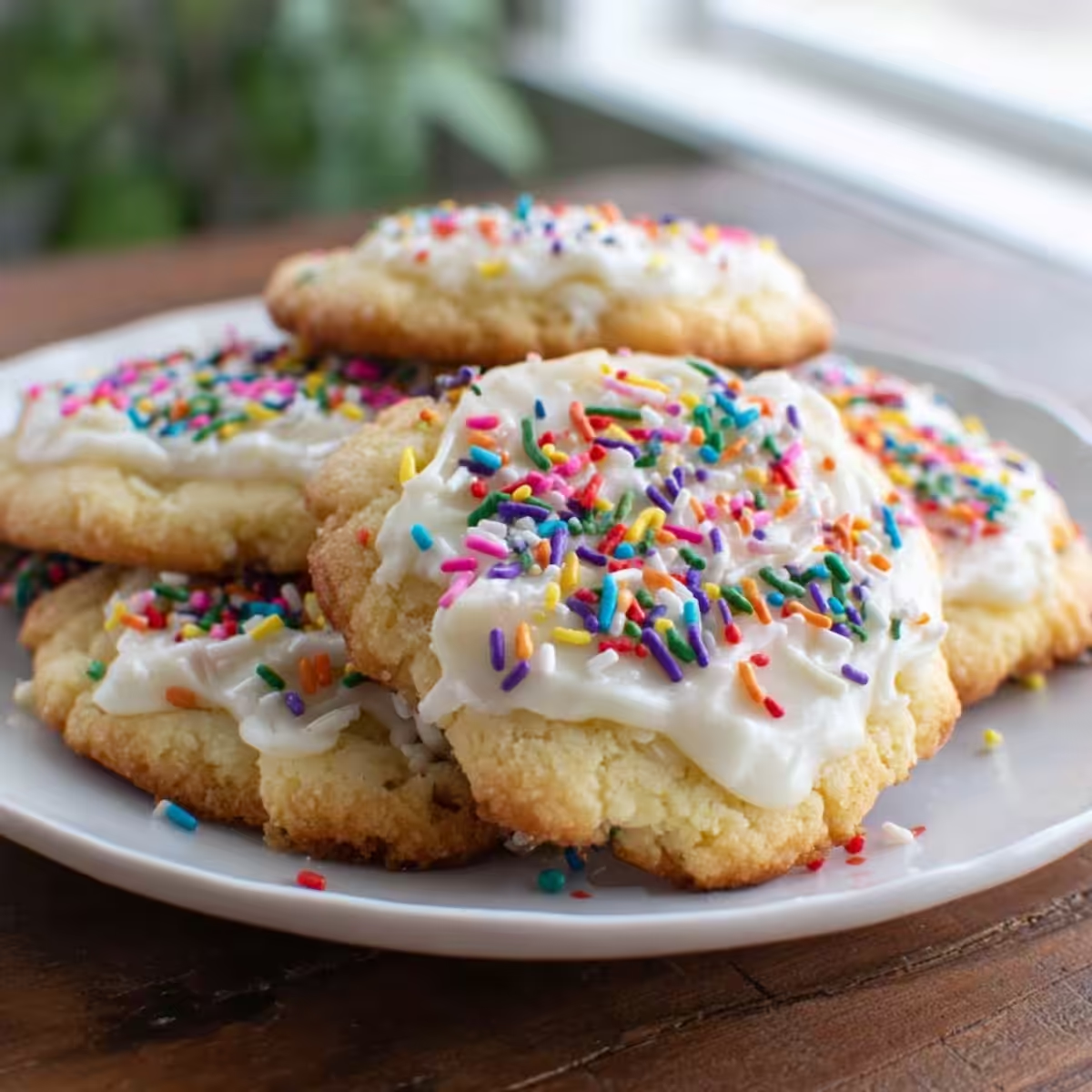

The Best Keto Sugar Cookies with Icing
Ingredients
Equipment
Method
- Preheat oven to 350°F (175°C). Line two baking sheets with parchment paper.
- In a medium bowl, whisk together almond flour, coconut flour, baking powder, and salt. Set aside.
- In a large bowl, beat softened butter, cream cheese, and ¾ cup powdered sweetener with an electric mixer on medium speed for 2-3 minutes until light and fluffy.
- Add egg and 1½ teaspoons alcohol-free vanilla extract. Beat on low until just combined. Scrape down bowl.
- Gradually add dry flour mixture to wet mixture, mixing on low until dough forms. Do not over-mix.
- Scoop tablespoon-sized portions (20g each) and roll into balls. Place 2 inches apart on baking sheets. Flatten to ½-inch thickness.
- Bake one sheet at a time for 8-10 minutes until edges are lightly golden. Centers will look soft.
- Cool on pan for 5 minutes, then transfer to wire rack. Cool completely (at least 30 minutes) before icing.
- For icing: Sift ¾ cup powdered sweetener into a bowl. Add ½ teaspoon vanilla and pinch of salt. Add coconut milk 1 tablespoon at a time, whisking until smooth and pourable.
- Dip cookie tops into icing or spread with an offset spatula. Let set at room temperature for 20-30 minutes.