
Close your eyes and think of your favorite Indo-Chinese restaurant. The sizzle of a hot cast-iron platter hitting the table, the unmistakable, mouthwatering aroma of garlic, ginger, and chili cutting through the air, and that first glorious bite: a piece of crispy, golden-brown chicken enveloped in a glossy, intensely flavored sauce that’s sweet, spicy, tangy, and savory all at once. That is the magic of Chicken Manchurian. For many, it’s the ultimate comfort food, a dish that feels both familiar and exotic. Yet, its perfection seems locked behind restaurant kitchen doors. Until now.
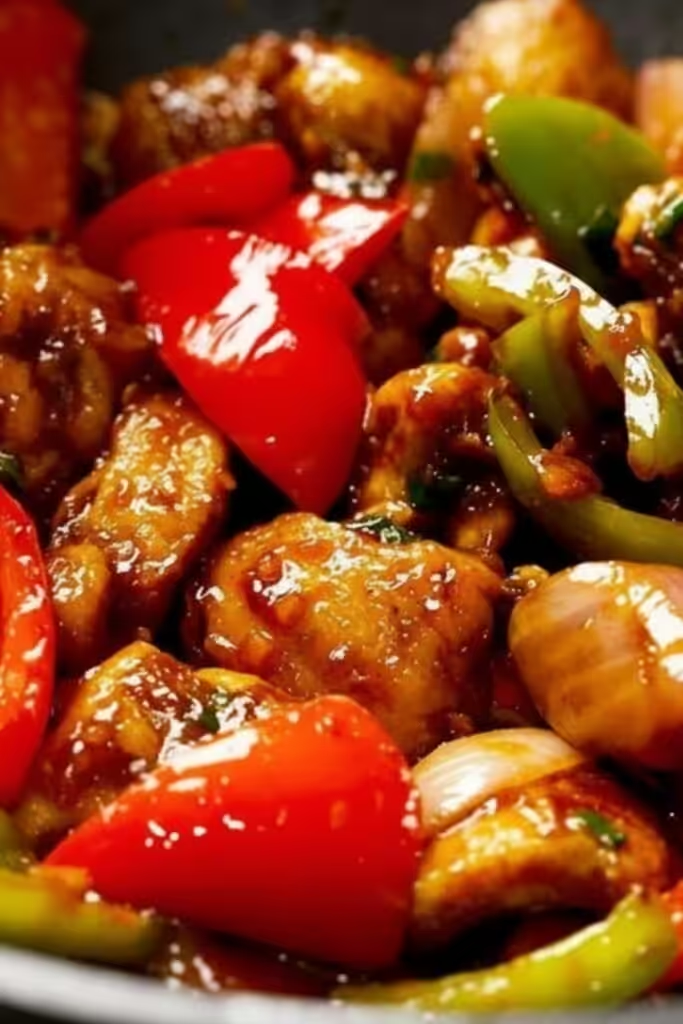
This recipe is your definitive guide to creating The BEST Chicken Manchurian Recipe | Authentic Indo-Chinese Restaurant Style in your own kitchen. We’re not just making a stir-fry; we’re engineering an experience. We’ll achieve that iconic dual texture—the craggy, crispy exterior of the chicken that stands up to the thick, clingy sauce—and master the complex, addictive flavor profile that defines this beloved dish. Forget watered-down versions or bland sauces. This is the real deal, broken down into simple, foolproof steps. Get ready to unlock the secrets and discover that the most authentic Manchurian doesn’t come from a takeout box, but from your own stove.
What is Chicken Manchurian? A Delicious Fusion Story
To understand the dish is to appreciate its unique culinary heritage. Chicken Manchurian is a star of Indo-Chinese cuisine, a vibrant category of food born from the adaptation of Chinese cooking techniques and flavors to Indian tastes by Chinese immigrants in Kolkata over a century ago. It is not a traditional dish from the Manchuria region of China. Instead, it’s a brilliant, original creation that exemplifies fusion at its finest.
The “Manchurian” style is characterized by two key elements:
- Deep-fried, batter-coated proteins or vegetables.
- A thick, glossy, brown sauce built on a foundation of ginger, garlic, green chilies, soy sauce, and a touch of sweetness, often finished with scallions and a hint of vinegar.
The result is a dish that speaks directly to the Indian palate’s love for bold, aromatic, and texturally exciting food, while utilizing the wok-hey (high-heat stir-frying) and saucing techniques of Chinese cooking.
Decoding the Perfect Manchurian: Texture & Flavor Breakdown
A stellar Chicken Manchurian is a masterpiece of balance. Let’s dissect what makes it work:
- The Chicken: A Crispy Pillar. The chicken is not merely stir-fried. It’s first marinated, then coated in a simple, seasoned batter and deep-fried until golden and supremely crispy. This initial fry creates a sturdy, textured crust that is meant to get sauced. The magic is in the contrast: the interior stays juicy and tender, while the exterior provides a satisfying, craggy bite that absorbs the sauce without immediately turning soggy.
- The Sauce: The Glossy, Flavorful Embrace. This is where the soul of the dish resides. The sauce must be thick enough to coat each piece luxuriously, leaving a shiny trail on the plate. Its flavor profile is a quintessential umami bomb: salty from soy sauce, savory from garlic and ginger, sweet from ketchup or a touch of sugar, and bright with a final splash of vinegar. It should be bold, aromatic, and cling to every nook and cranny of the fried chicken.
- The Holy Trinity: Aromatic Base. Every great Manchurian sauce starts with the same foundation: finely minced or pasted ginger, garlic, and green chilies. This trio, fried in hot oil, is the non-negotiable aromatic engine of the dish. Its potency cannot be understated.
The Anatomy of Authenticity: Key Ingredients Explained
Understanding the role of each component is your first step toward mastery and intelligent substitution.
For the Crispy Chicken:
- The Chicken: Boneless, skinless chicken thighs are ideal. They remain juicy through the double-cooking process (frying then saucing). Breast meat can be used but requires more careful monitoring to prevent dryness.
- The Marinade: A simple mix of soy sauce, ginger-garlic paste, black pepper, and a pinch of salt. This seasons the chicken from within and tenderizes it.
- The Batter: The secret to the craggy, restaurant-style crust lies here.
- Cornstarch is the Star: Unlike a Western flour-based batter, a Manchurian batter relies heavily on cornstarch. It fries up incredibly crisp, light, and creates those desirable, jagged edges.
- All-Purpose Flour: A smaller amount provides a bit of structure and helps the batter adhere.
- Egg (or Vegan Binding): One egg binds the dry ingredients into a thick, lumpy batter that clings to the chicken. For an egg-free version, a slurry of cornstarch and water works.
- The Texture Tip: The batter should be thick and coat the back of a spoon. A thin batter will slide off and not create that signature crust.
For the Legendary Sauce:
- The Aromatic Base: As noted, fresh ginger, garlic, and green chilies are essential. For the most authentic texture, consider grinding them to a coarse paste.
- The Sauce Body:
- Soy Sauce: Provides the foundational salt and umami. A combination of light and dark soy sauce can add depth of color.
- Tomato Ketchup: The unexpected but essential ingredient. Don’t dismiss it! In Indo-Chinese cooking, ketchup isn’t just a condiment; it’s a crucial component that adds sweetness, tang, body, and that familiar reddish-brown hue to the sauce. It’s a key differentiator from purely Chinese sauces.
- Vinegar: A splash at the end (rice vinegar or white vinegar) is non-negotiable. It lifts the entire sauce, cutting through the richness and adding a bright, sharp top note.
- Sweetness: A teaspoon of sugar may be needed to balance the acidity from the ketchup and vinegar, depending on your palate.
- The Thickening Agent: A cornstarch slurry (cornstarch mixed with water) is what gives the sauce its luxurious, glossy, clingy consistency. It’s added at the final stage and cooked until the sauce transforms from watery to silky and thick.
Chef’s Notes: The Science of Success
Why does this method yield restaurant-quality results? Let’s look at the technique.
- The Double-Fry Technique (Optional but Excellent): For extra-crispy chicken that holds up exceptionally well in the sauce, employ the double-fry method. Fry the chicken pieces at 325°F (160°C) until just cooked and lightly golden. Remove, drain, and let them rest for 5 minutes. Then, crank the oil to 375°F (190°C) and fry again for 60-90 seconds until deeply golden and super crisp. This renders out excess moisture from the crust, making it sturdier.
- The High-Heat Aromatic Bloom: The ginger-garlic-chili paste must be sautéed in hot oil until its raw smell disappears and it becomes wonderfully fragrant. This step, called “blooming,” unlocks their essential oils and flavors, which then infuse the entire sauce.
- The Sauce Reduction & Slurry: Building the sauce involves letting the liquid ingredients simmer and reduce slightly to concentrate flavor. Adding the cornstarch slurry at a simmer and cooking for 60 seconds is critical—it deactivates the starch’s raw flavor and allows it to reach its full thickening power, creating that glossy, professional finish.
- The Final Toss: Adding the fried chicken to the sauce should be the last step before serving. A quick, vigorous toss in the wok or pan for 30-60 seconds is all that’s needed to coat each piece. This preserves the crispy texture for as long as possible once plated.
The BEST Chicken Manchurian Recipe | Authentic Indo-Chinese Restaurant Style
Prep Time: 25 minutes | Cook Time: 20 minutes | Total Time: 45 minutes | Serves: 4
Ingredients
For the Chicken:
- 1.5 lbs (700g) boneless, skinless chicken thighs, cut into 1-inch cubes
- 1 tbsp soy sauce
- 1 tbsp ginger-garlic paste
- 1/2 tsp black pepper
- 1/4 tsp salt
- 1 large egg
- 1/2 cup cornstarch
- 1/4 cup all-purpose flour
- Neutral oil for deep frying (vegetable, canola)
For the Sauce:
- 2 tbsp cooking oil
- 1 tbsp finely minced fresh ginger
- 1 tbsp finely minced fresh garlic
- 2-3 green chilies, slit or finely chopped (adjust to heat preference)
- 1 medium onion, cut into 1-inch squares
- 1 small bell pepper (any color), cut into 1-inch squares
- 3 tbsp soy sauce
- 3 tbsp tomato ketchup
- 1 tbsp rice vinegar or white vinegar
- 1 tsp sugar (optional, to taste)
- 1 cup water or vegetable/chicken stock
- 2 tsp cornstarch mixed with 2 tbsp water (slurry)
- Salt to taste
- 4-5 scallions (green onions), cut into 1-inch pieces
For Garnish:
- Fresh cilantro, chopped
- Additional scallion greens
Equipment
- Large mixing bowls
- Wok or large, deep skillet
- Slotted spoon or spider strainer
- Wire rack over a baking sheet (for draining chicken)
Step-by-Step Instructions
Step 1: Marinate the Chicken
In a large bowl, combine the chicken cubes with 1 tbsp soy sauce, 1 tbsp ginger-garlic paste, black pepper, and salt. Mix well, ensuring every piece is coated. Let it marinate for at least 15 minutes while you prepare other ingredients.
Step 2: Make the Batter & Fry the Chicken
To the marinated chicken, add one egg. Mix thoroughly. Add the 1/2 cup cornstarch and 1/4 cup all-purpose flour. Using your hands or a spoon, mix until a very thick, lumpy batter forms that completely coats each piece of chicken. If it feels too dry, add 1-2 teaspoons of water. It should be a heavy, clinging coating.
Heat 2-3 inches of oil in your wok or deep skillet over medium-high heat to 350°F (175°C).
Carefully add the battered chicken pieces in batches, avoiding overcrowding. Fry for 5-6 minutes, turning occasionally, until golden brown, crispy, and cooked through. Remove with a slotted spoon and drain on a wire rack. Repeat with remaining chicken.
Step 3: Prepare the Manchurian Sauce
Heat 2 tbsp of cooking oil in a separate wok or large pan over high heat.
Add the minced ginger, garlic, and green chilies. Stir-fry for 45-60 seconds until incredibly fragrant and the raw smell is gone.
Add the onion and bell pepper squares. Stir-fry for 2-3 minutes on high heat until they are slightly seared but still crisp-tender (“wok hay”).
Reduce heat to medium. Add the soy sauce, ketchup, optional sugar, and vinegar. Stir quickly for 30 seconds.
Pour in the 1 cup of water or stock. Bring the mixture to a simmer. Taste the sauce and adjust with a pinch of salt if needed (remember, the soy sauce and chicken are already salted).
Give the cornstarch slurry a final stir and pour it into the simmering sauce while stirring constantly. The sauce will thicken dramatically and become glossy within 60 seconds.
Add the chopped scallions and stir.
Step 4: Combine and Serve
Add all the fried chicken pieces to the thickened sauce. Increase the heat to high and toss vigorously for 45-60 seconds, ensuring every piece is gloriously coated.
Remove from heat immediately. Garnish with fresh cilantro and extra scallion greens.
Step 5: Serve Hot
Serve your Chicken Manchurian immediately over steamed rice or with hakka noodles on the side. The contrast of the crispy chicken and the savory sauce is best enjoyed right away.
Variations & Creative Twists
The Manchurian formula is beautifully adaptable:
- Vegetable Manchurian (Gobi/ Veg Manchurian): A beloved vegetarian version. Make dough-like balls from finely grated cabbage, carrot, cauliflower, and beans, mixed with cornstarch, flour, and seasoning. Steam or shallow-fry the balls, then toss in the same sauce.
- Paneer Manchurian: Replace chicken with cubes of firm paneer (Indian cottage cheese). Lightly coat in cornstarch, shallow-fry until golden, and proceed with the sauce.
- Chilli Chicken (Dry vs. Gravy): For a “dry” version, use less water in the sauce and thicken it until it just coats the chicken with minimal extra gravy. Add more fresh chilies and sliced onions for texture.
- Mushroom or Prawn Manchurian: Use whole button mushrooms or peeled prawns as the main protein, adjusting frying time accordingly.
Expert Substitutions & Dietary Notes
- Gluten-Free: Use tamari instead of soy sauce. Ensure your ketchup is gluten-free. Use a certified GF all-purpose flour blend or more cornstarch in the batter.
- Vegan/Vegetarian: Follow the Vegetable Manchurian variation. For the batter binding, replace the egg with 3 tbsp of thick cornstarch slurry.
- Less Spicy: Remove the seeds from the green chilies or use a milder chili variety. You can also reduce or omit them, relying on black pepper for heat.
- Soy-Free: Substitute soy sauce with coconut aminos. The flavor will be slightly sweeter and less salty, so adjust seasoning carefully.
Your Manchurian Questions, Answered
Can I make this ahead of time?
You can prep components: marinate the chicken, chop all vegetables, and make the sauce base (without thickening it). Store separately. Right before serving, fry the chicken, finish thickening the sauce, and toss together. This ensures maximum crispiness.
My sauce isn’t glossy or thick enough. What went wrong?
Your cornstarch slurry may have been inactive (needs to be fresh), or you may not have cooked it long enough after adding. Once you add the slurry to simmering liquid, you must cook for a full 60-90 seconds, stirring, for the starch to activate and create that clear, glossy thickness.
Can I air-fry or bake the chicken for a healthier version?
Yes, though the texture will differ. Toss the battered chicken pieces in 1-2 tbsp of oil. Air fry at 400°F (200°C) for 12-15 minutes, shaking halfway, until crispy. Bake on a wire rack at 425°F (220°C) for 20-25 minutes. The coating will be firm and crispy but not as craggy or uniform as deep-frying.
The chicken got soft after adding to the sauce. How can I prevent this?
This is natural over time, but to delay it: 1) Ensure your chicken is fried until very crisp (double-fry helps), 2) Make sure your sauce is thick and glossy before adding the chicken, and 3) Toss and serve immediately. The goal is to coat, not simmer, the chicken in the sauce.
The Final Sizzle: Your Restaurant-Ready Triumph
Mastering Chicken Manchurian is a rite of passage for any lover of Indo-Chinese cuisine. You’ve learned to build texture, layer flavors, and create that iconic, glossy sauce that defines the dish. This recipe isn’t just about following steps; it’s about understanding the why behind each technique, empowering you to not only recreate this classic but to make it your own.
Now, the wok is yours. Did you try the double-fry? Make it extra spicy with more chilies? I’d love to see your results! Share your photos, your tweaks, and your questions in the comments below. Your culinary journey inspires our entire community. And if this has you hooked on the vibrant world of Indo-Chinese flavors, why not explore our recipe for Hakka Veg Noodles or the fiery delight of Chilli Paneer?
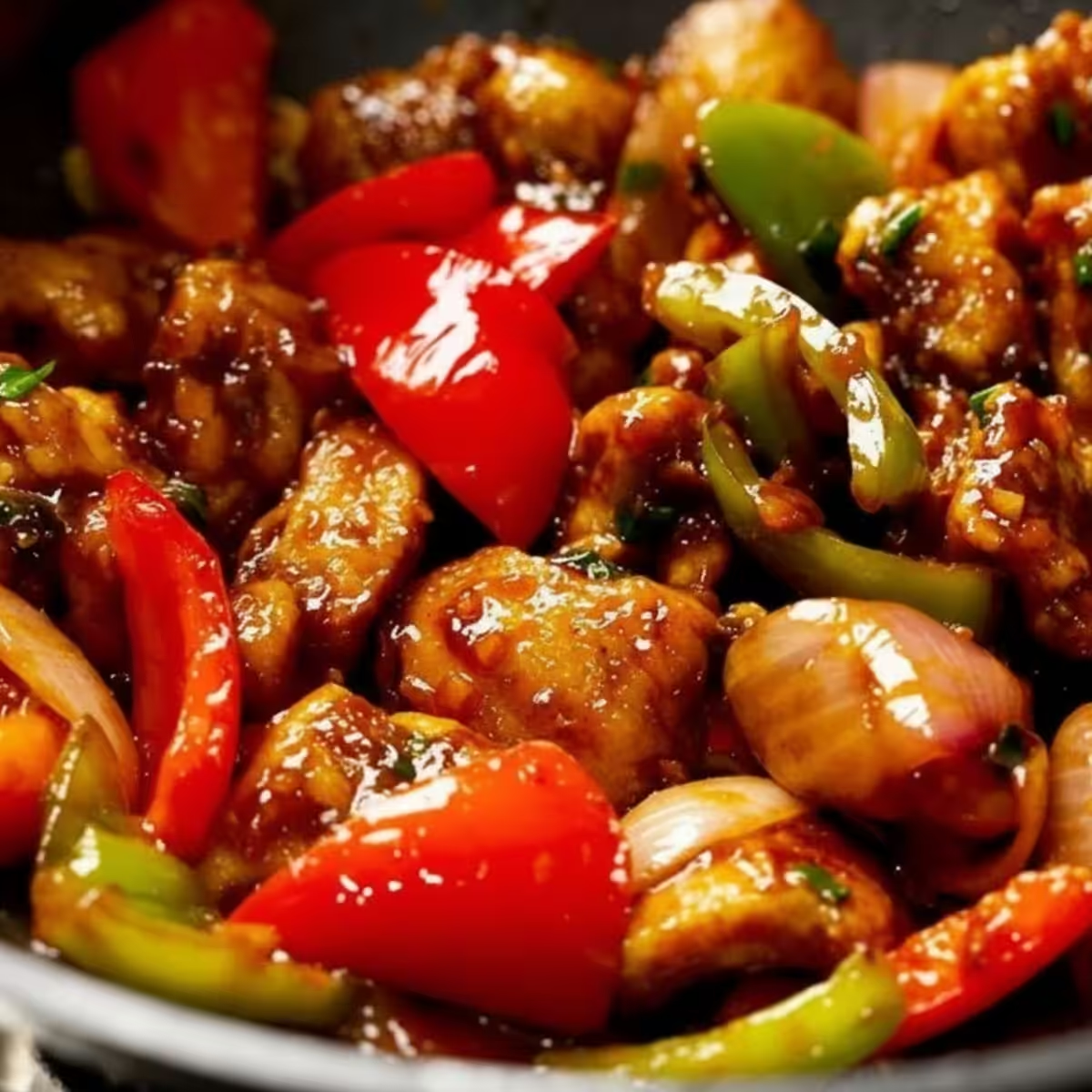

Authentic Chicken Manchurian
Ingredients
Equipment
Method
- In a bowl, marinate chicken with egg, 2 tbsp cornstarch, flour, ginger-garlic paste, 1 tbsp soy sauce, and black pepper. Mix well to coat.
- Deep fry or shallow fry the chicken pieces until they are golden brown and crispy. Drain on paper towels and set aside.
- Heat 1 tbsp oil in a wok. Sauté minced garlic, ginger, and green chilies for 30 seconds. Add the white parts of the spring onions.
- Add remaining soy sauce, chili sauce, ketchup, vinegar, and vegetable stock. Bring to a simmer.
- Mix 1 tbsp cornstarch with 2 tbsp water to make a slurry. Slowly pour into the sauce, stirring constantly until thickened and glossy.
- Add the fried chicken to the wok. Toss quickly to coat every piece. Garnish with green spring onion tops and serve immediately.