
There are some meals that just feel like a warm hug in a bowl, and this One Pot Creamy Chicken Sausage Orzo is the epitome of that sensation. It’s the dinner you turn to after a long day when you need something satisfying, comforting, and on the table in under 40 minutes—with minimal cleanup. Imagine this: tender, pearl-like orzo pasta, perfectly al dente, swimming in a rich, velvety, and savory cream sauce. Nestled within are golden-brown slices of savory chicken sausage and a pop of freshness from vibrant spinach and sweet sun-dried tomatoes.
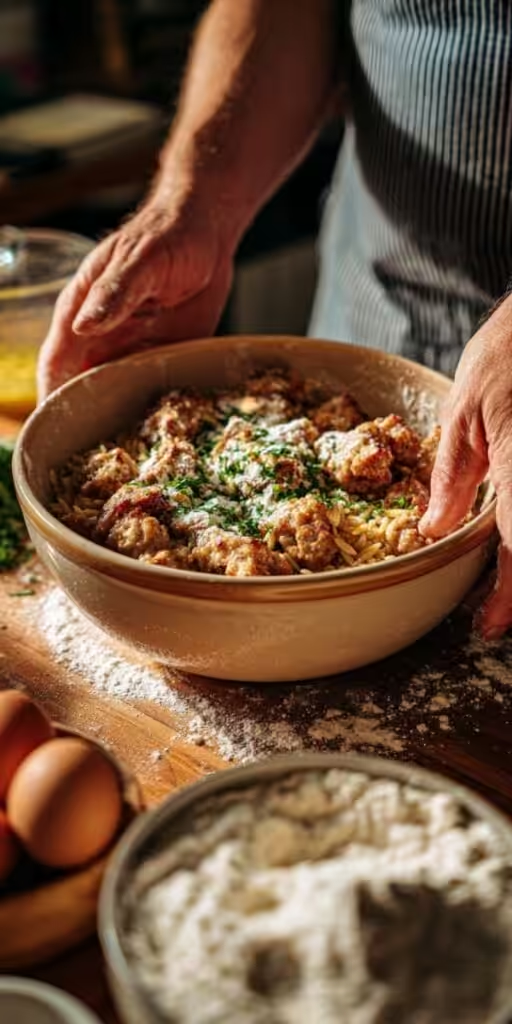
This isn’t just another pasta recipe; it’s a masterclass in efficiency and flavor. By cooking everything in a single skillet, the orzo absorbs the incredible fond left behind by the sausage, creating a depth of flavor that tastes like it simmered all day. As a culinary professional, I’ve designed this recipe to be foolproof, adaptable, and deeply satisfying. Whether you’re a busy parent, a novice cook, or just someone who appreciates a truly great meal without a mountain of dishes, this one-pot wonder is about to become a cornerstone of your weekly rotation. Let’s dive into why this dish works so beautifully and how you can make it perfectly every single time.
Why This One Pot Orzo Recipe Works Every Time
The magic of this dish lies in its simplicity and the smart application of a few key cooking techniques. It’s more than just throwing ingredients in a pot; it’s a carefully orchestrated process designed to build maximum flavor with minimum effort.
The Power of the Fond
The foundation of this dish’s incredible flavor is something called “fond.” Those little browned bits that stick to the bottom of the pan after searing the sausage are pure gold. They are concentrated pockets of savory, meaty flavor (umami). By deglazing the pan with chicken broth—scraping up those bits as the liquid simmers—we incorporate that deep, complex flavor directly into the sauce. This is a fundamental restaurant technique that elevates a simple weeknight meal into something truly special.
The Starch: Orzo’s Secret Weapon
Orzo, a rice-shaped pasta, is the perfect canvas for this creamy sauce. As it cooks, it releases its natural starches directly into the surrounding liquid. This is the secret to achieving that luscious, velvety texture without needing a ton of heavy cream. The starch acts as a natural thickener, creating a sauce that clings beautifully to every piece of pasta and sausage. Unlike cooking pasta separately and adding sauce later, this one-pot method allows the pasta and sauce to become one cohesive, creamy entity.
High-Quality, Convenient Protein
Using high-quality chicken sausage is a strategic choice for both flavor and convenience. It’s pre-cooked, which drastically cuts down on cooking time, but more importantly, it’s packed with herbs and spices. Whether you choose a simple Italian style, a sweet apple variety, or a spicy version, the sausage infuses the entire dish with its seasoned profile. All you need to do is brown it to add texture and unlock those flavors, making it the ultimate shortcut to a deeply flavorful dinner.
Key Ingredients for the Best Creamy Chicken Sausage Orzo
To achieve the ideal texture and flavor profile, every ingredient plays a crucial role. Here’s a closer look at what you’ll need and why each one matters.
- Chicken Sausage: The star protein. I recommend using a fully cooked, high-quality chicken sausage. Mild Italian, sun-dried tomato, or spinach and feta are fantastic choices. The sausages are already seasoned, providing a robust flavor base for the entire dish.
- Orzo Pasta: Do not substitute with another pasta shape for this specific recipe. The small, rice-like shape and its high starch content are essential for creating the creamy texture without a roux.
- Aromatics – Yellow Onion & Garlic: These form the savory backbone. Sautéing them until softened builds the initial layer of flavor. Freshly minced garlic is a must; don’t use the pre-minced stuff from a jar, as it lacks the pungent, aromatic quality needed here.
- Chicken Broth: This is the primary cooking liquid. Use a high-quality, low-sodium chicken broth so you can control the final saltiness. The broth deglazes the pan and provides the liquid for the orzo to cook in.
- Heavy Cream: For that final touch of luxurious richness. A relatively small amount goes a long way, creating the signature creamy texture we’re after. For a slightly lighter version, you can use half-and-half, though the sauce won’t be quite as thick.
- Sun-Dried Tomatoes: These provide sweet, tangy, and intensely concentrated tomato flavor. I prefer the ones packed in oil, drained and chopped. They add little bursts of flavor and a pleasant chewy texture.
- Fresh Baby Spinach: It adds a pop of vibrant color, essential nutrients, and a mild, earthy flavor. It wilts down into the sauce beautifully, adding body without overpowering the dish.
- Grated Parmesan Cheese: The ultimate flavor finisher. Parmesan adds a salty, nutty, and savory (umami) depth that ties all the ingredients together. Always grate it fresh from a block; pre-shredded cheeses contain starches that prevent them from melting smoothly.
- Seasonings: A simple combination of salt, black pepper, and a pinch of red pepper flakes (for a gentle warmth) is all you need. The sausage and Parmesan provide most of the savory punch.
Step-by-Step Cooking Guide: Your Path to Perfection
Follow these simple steps, and you’ll be rewarded with a flawless, restaurant-quality meal. The key is to be organized and trust the process.
Step 1: Brown the Sausage for Maximum Flavor
Place a large, deep skillet or Dutch oven over medium-high heat and add a tablespoon of olive oil. Once the oil is shimmering, add the sliced chicken sausage in a single layer. Let them cook undisturbed for 3-4 minutes per side, until they are beautifully golden brown. Don’t overcrowd the pan; if necessary, do this in two batches. Use a slotted spoon to transfer the browned sausage to a plate and set it aside. Resist the urge to wipe out the pan—those browned bits are where the flavor lives!
Step 2: Sauté the Aromatics
Reduce the heat to medium. In the same skillet, add the diced onion. Sauté for 4-5 minutes, scraping up some of the fond from the bottom, until the onion becomes soft and translucent. Add the minced garlic and cook for another minute until fragrant, stirring constantly so the garlic doesn’t burn.
Step 3: Toast the Orzo
Add the dry orzo pasta to the skillet with the onions and garlic. Stir it constantly for about 1-2 minutes. You’ll notice it start to turn a light golden color and smell slightly nutty. This toasting step is crucial; it adds another layer of flavor and helps the orzo hold its shape better during cooking.
Step 4: Deglaze and Simmer
Pour about ½ cup of the chicken broth into the pan and use a wooden spoon or spatula to scrape up every last bit of the fond from the bottom of the skillet. This is deglazing, and it’s what incorporates all that deep, sausage flavor into the sauce. Once the bottom is clean, pour in the remaining broth, the chopped sun-dried tomatoes, and a pinch of salt, pepper, and red pepper flakes. Stir everything together, bring it to a gentle boil, then reduce the heat to a low simmer.
Step 5: The Creamy Transformation
Cover the skillet and let it simmer for 10-12 minutes, or until the orzo is almost tender (al dente) and has absorbed most of the liquid. Stir it once or twice during this time to prevent it from sticking. Remove the lid, reduce the heat to low, and stir in the heavy cream and the golden-brown sausage. Let it cook uncovered for 2-3 minutes, allowing the sauce to thicken slightly.
Step 6: Wilt the Spinach and Add the Cheese
Turn off the heat. Add the fresh spinach in handfuls, stirring gently until it wilts into the hot pasta. The residual heat is enough to do this perfectly without overcooking the spinach. Finally, stir in the freshly grated Parmesan cheese until it melts into the sauce, creating that final, glorious, creamy finish. Taste and adjust seasoning with more salt and pepper if needed.
Pro Tips for Achieving the Ideal Texture and Flavor
After years of developing recipes, I’ve gathered a few insider tips that guarantee success with this one-pot orzo.
- Low and Slow is the Way to Go: Once you add the broth and bring it to a boil, immediately reduce the heat to a gentle simmer. A rolling boil can cause the orzo to cook unevenly and the starches to break down too quickly, potentially making the dish gummy or causing it to scorch on the bottom.
- The Perfect Consistency: The orzo will continue to absorb liquid as it sits, even after you’ve turned off the heat. If your sauce seems a little thick at the end, don’t worry! You can easily loosen it with a splash of warm chicken broth or a little bit of the pasta water (if you had cooked it separately). If it seems too thin, let it sit off the heat, covered, for a few extra minutes; the orzo will continue to absorb the liquid.
- Cheese Matters: Please, for the best results, grate your own Parmesan from a block. It melts into a silky emulsion. Pre-shredded cheese is coated with cellulose or potato starch to prevent clumping, which prevents it from melting smoothly and can result in a grainy sauce.
- Don’t Skip the Toast: That one to two minutes you spend toasting the orzo might seem insignificant, but it’s a game-changer. It not only adds a nutty flavor but also creates a slight barrier on the pasta, helping it retain its shape and preventing it from turning to mush during the simmering process.
Delicious Variations and Easy Substitutions
One of the best things about this recipe is its versatility. It’s a fantastic base that welcomes creativity and can easily be adapted to what you have on hand or to suit different dietary needs.
- Vegetarian Variation: This is easily made vegetarian. Simply omit the chicken sausage and use a high-quality vegetable broth. To add protein and heartiness, stir in a can of drained and rinsed chickpeas or cannellini beans along with the spinach at the end. You could also use meatless sausage crumbles, browning them just as you would the chicken sausage.
- Gluten-Free Adaptation: Gluten-free orzo pasta is widely available and works beautifully in this recipe. The only caveat is that gluten-free pasta often behaves a little differently. You may need to reduce the liquid slightly or adjust the cooking time by a minute or two. Keep a close eye on it and test for doneness a couple of minutes before the recommended time on the package.
- Switch Up Your Veggies: This recipe is a great way to use up leftover vegetables in your fridge. Diced zucchini or yellow squash can be added along with the spinach. Roasted red peppers, chopped asparagus, or even some frozen peas (stirred in at the very end) would all be delicious additions.
- Protein Swaps: While chicken sausage is our star, you can easily substitute it. Diced, cooked chicken breast or thigh, sliced and browned Andouille sausage (for a Cajun twist), or even crispy pancetta or bacon would all be phenomenal.
- Make it Dairy-Free: To make this recipe dairy-free, you have two excellent options. You can substitute the heavy cream with a full-fat canned coconut milk for a rich, slightly sweet, and creamy sauce. Alternatively, you can use a good-quality unsweetened cashew cream. For the Parmesan, look for a high-quality plant-based alternative.
What to Serve with This Hearty Skillet Meal
This One Pot Creamy Chicken Sausage Orzo is a complete meal in itself, packed with protein, carbs, and veggies. However, if you’re feeding a hungry crowd or want to round it out with some simple sides, here are a few perfect pairings:
- A Simple Green Salad: A light, crisp salad with a bright, lemony vinaigrette is the perfect contrast to the rich, creamy pasta. The acidity will cut through the richness and cleanse your palate.
- Crusty Bread or Garlic Bread: Because a creamy, delicious sauce begs to be sopped up! A slice of warm, crusty baguette or a piece of homemade garlic bread is the ideal tool for the job.
- Roasted or Steamed Vegetables: For an extra serving of veggies, consider a side of simple roasted asparagus, broccoli, or green beans tossed with a little olive oil, salt, and pepper.
- A Glass of Sparkling Water with Lemon: A refreshing, non-alcoholic beverage with a squeeze of fresh lemon is a wonderful palate cleanser that complements the meal without overpowering the delicate flavors.
Storage and Reheating Instructions
This dish makes for fantastic leftovers, and the flavors often meld together and become even better the next day. Here’s how to store and reheat it properly.
- Storage: Allow the orzo to cool completely to room temperature. Transfer it to an airtight container and store it in the refrigerator for up to 4 days.
- Reheating (The Key to Creaminess): The pasta will have absorbed most of the liquid overnight, so the dish will be much thicker when you take it out of the fridge. The best way to reheat it and restore its creamy texture is on the stovetop. Place the desired portion in a skillet or saucepan over medium-low heat. Add a splash of chicken broth, water, or a little milk. Stir frequently as it warms up, and the liquid will loosen the sauce, bringing it back to its original creamy glory. You can also reheat it in the microwave, using 30-second intervals and stirring in a little liquid in between.
Frequently Asked Questions
Can I use a different type of pasta?
While you can use small pastas like ditalini or stelline, the texture and cooking time will change. The starch released from orzo is key to the creamy sauce. If you substitute, you may need to adjust the liquid and will likely end up with a soupier result, or you might need to make a cornstarch slurry to thicken the sauce at the end.
Can I make this recipe ahead of time?
Absolutely! This is a great make-ahead meal. Prepare the recipe as directed, but stop just before adding the spinach and Parmesan. Let it cool, then cover and refrigerate. When you’re ready to serve, gently reheat it on the stovetop with a splash of broth, then stir in the spinach and Parmesan until wilted and melted. This ensures the greens stay bright and the cheese is perfectly fresh.
Is this recipe freezer-friendly?
Cream-based pasta dishes can sometimes separate when thawed, leading to a grainy texture. For the best quality, I don’t recommend freezing this particular dish. It’s so quick and easy to make, it’s best enjoyed fresh or within a few days from the fridge.
How do I prevent the orzo from getting mushy?
The key is to watch your liquid levels and cooking time. Use the amount of broth specified and simmer gently, covered, just until the orzo is al dente. Remember, it will continue to cook a little in the residual heat even after you turn the stove off.
A Final Word and A Call to Action
This One Pot Creamy Chicken Sausage Orzo is more than just a recipe; it’s a solution. It’s the answer to the “what’s for dinner?” question on those hectic nights when you crave something deeply satisfying but need to keep things simple. It’s a dish that delivers on flavor, texture, and comfort, all from a single pan. I hope this guide has given you the confidence and knowledge to make it your own.
Now it’s your turn! I’d love to hear how this recipe turns out for you. Did you try any of the variations? Share your thoughts, questions, and photos in the comments below. And if you loved it, please give this recipe a 5-star rating and share it with a friend who needs an easy weeknight win. Don’t forget to check out our other one-pot wonders for more inspiration!


One Pot Creamy Chicken Sausage Orzo
Ingredients
Equipment
Method
- Heat olive oil in a large deep skillet or Dutch oven over medium-high heat. Add the sliced chicken sausage in a single layer and cook for 3-4 minutes per side, until golden brown. Use a slotted spoon to transfer the sausage to a plate and set aside.
- Reduce heat to medium. Add the chopped onion to the same skillet and sauté for 4-5 minutes, until softened. Add the minced garlic and cook for another minute until fragrant.
- Add the dry orzo to the skillet. Stir constantly for 1-2 minutes, until the pasta is lightly toasted and smells nutty.
- Pour in about 1/2 cup of the chicken broth and scrape the bottom of the pan with a wooden spoon to release any browned bits (the fond). Add the remaining broth, sun-dried tomatoes, salt, pepper, and red pepper flakes. Stir to combine.
- Bring the mixture to a boil, then reduce the heat to low, cover, and let simmer for 10-12 minutes, or until the orzo is al dente and has absorbed most of the liquid. Stir once or twice during cooking to prevent sticking.
- Remove the lid. Stir in the heavy cream and the cooked sausage. Cook uncovered for 2-3 minutes, allowing the sauce to thicken slightly.
- Turn off the heat. Add the fresh spinach in handfuls, stirring gently until it wilts completely. Stir in the grated Parmesan cheese until melted and the sauce is creamy. Taste and adjust seasoning if needed. Serve immediately with extra Parmesan on top.