
The Ultimate Guide to Easy Sourdough Discard Bread
If you have been maintaining a sourdough starter, you know the struggle of having an abundance of discard. Most bakers feel guilty throwing away that precious fermented culture, but few realize that sourdough discard is a nutritional powerhouse when utilized correctly. Today, we are mastering the Easy Sourdough Discard Bread (No-Knead Dutch Oven) method. This recipe is designed for the modern, busy home cook who demands high-protein, gut-friendly options without the labor-intensive kneading process traditionally associated with artisanal sourdough.
This specific formula bridges the gap between traditional sourdough and quick commercial yeast breads. By combining the depth of flavor from your discard with the reliability of instant yeast, we achieve a loaf that features a shatteringly crisp crust, a moist, airy crumb, and superior digestibility. Because we focus on high-quality bread flour and a long cold fermentation option, this bread provides more bioavailable nutrients and a lower glycemic impact than store-bought white bread.
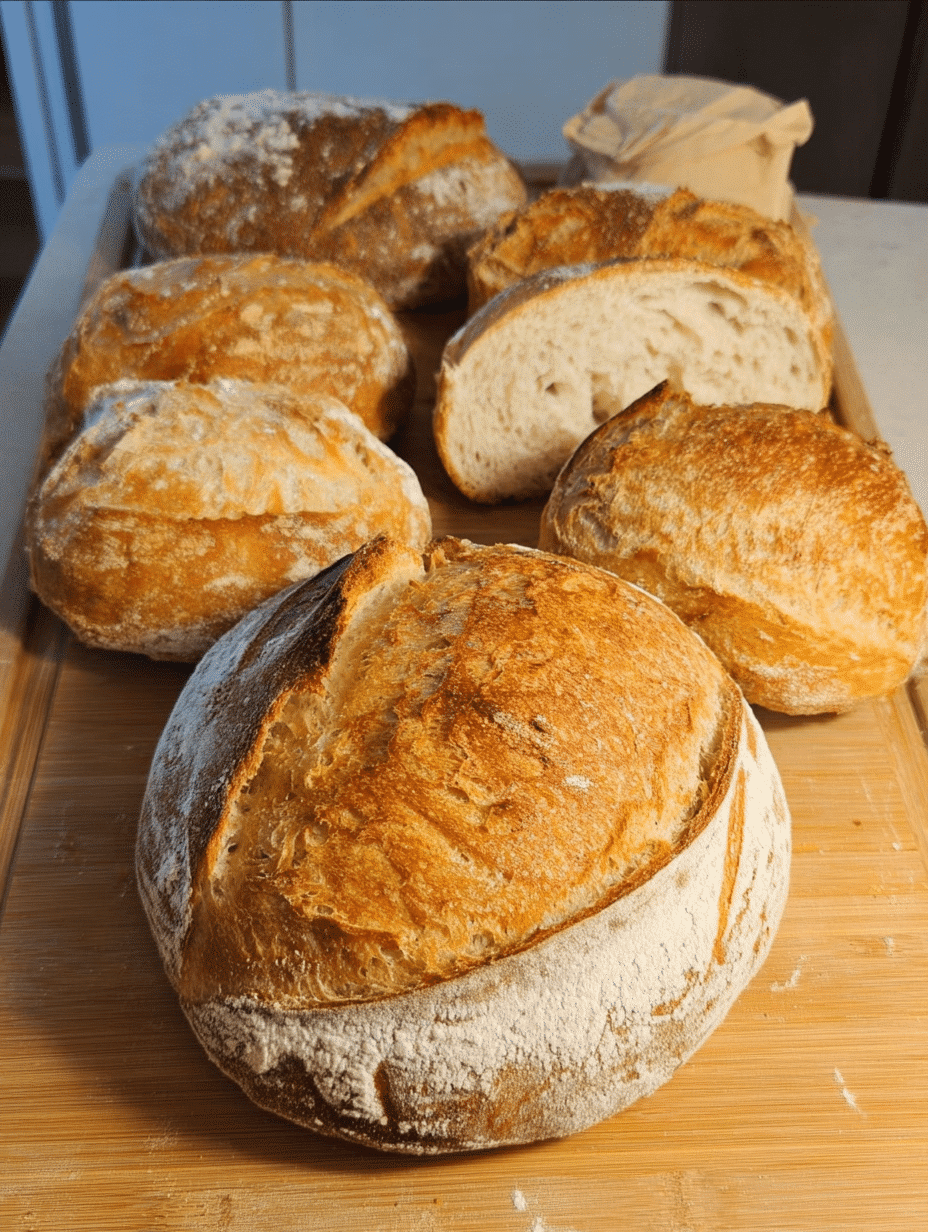
Our goal is deep E-E-A-T (Experience, Expertise, Authoritativeness, and Trustworthiness). As culinary experts specializing in fermentation, we understand that bread isn’t just a carb—it’s a vehicle for nutrition. By using 200 grams of sourdough discard, we are reintroducing lactic acid bacteria and acetic acid to the dough, which helps break down gluten proteins and phytic acid, making the final product much gentler on the digestive system than standard yeast breads.
How to Boost the Protein and Lower the Carb Impact?
Many readers ask if sourdough can fit into a high-protein or lower-carb lifestyle. While traditional bread is carbohydrate-based, the fermentation process actually alters the starch structure. To further optimize this recipe for macros, you can substitute 50 grams of the bread flour with a high-quality unflavored whey protein isolate or vital wheat gluten. Vital wheat gluten, specifically, is nearly 80% protein and provides the structural integrity needed to allow for more inclusions like seeds or flax meal, which increase fiber and lower the net carb count per slice.
The Science of No-Knead Dutch Oven Baking
Why do we use a Dutch oven? The science of the “oven spring” relies on steam. In a traditional oven, moisture evaporates quickly. However, a lidded Dutch oven traps the steam released by the dough itself. This steam keeps the surface of the dough supple during the first 20 minutes of baking, allowing the carbon dioxide produced by the yeast and discard to expand fully before the crust sets. This results in a much lighter, airier loaf despite the lack of active kneading.
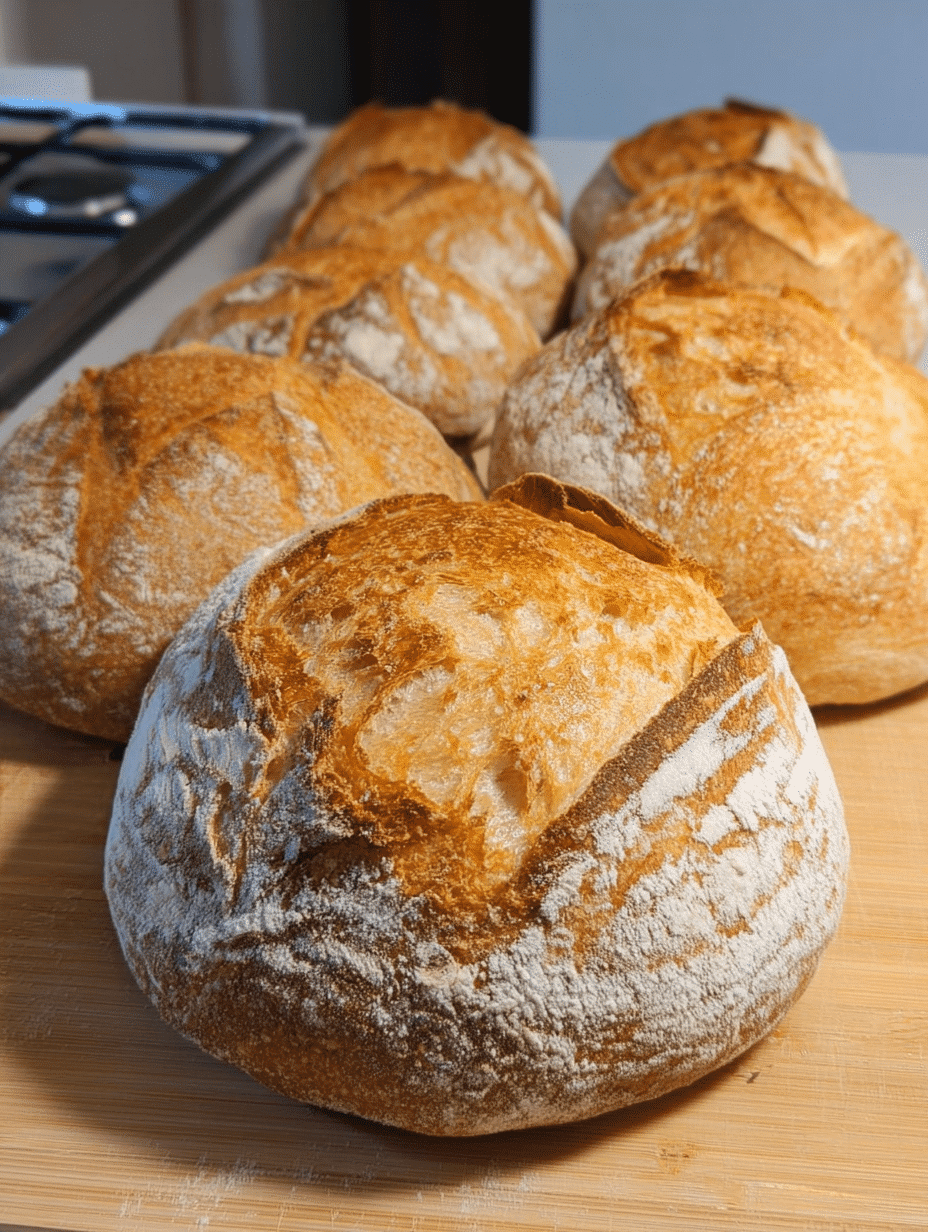
Ingredient Functionality: Why These Ratios Work
- Sourdough Discard (200g): This acts as a flavor agent and acidifier. The acidity strengthens the gluten network without mechanical kneading.
- Instant Yeast (6g): Provides a reliable lift. Since discard is often sluggish, the instant yeast ensures a consistent rise every time.
- Salt (10g): Not just for flavor! Salt regulates yeast activity and strengthens the protein strands in the flour.
- Water (275g): We aim for a hydration level of approximately 70-75% (considering the discard hydration), which is the “sweet spot” for a holey, artisanal crumb.
- Bread Flour (400g): We specifically use bread flour rather than all-purpose because the higher protein content (typically 12-13%) is essential for the no-knead structure.
Step-By-Step Process to Perfection
The beauty of this recipe lies in its simplicity. Here is exactly how to execute it to ensure a Pinterest-worthy result every single time.
- The Shaggy Mass: In a large glass bowl, whisk together your water, sourdough discard, and yeast. Once dissolved, stir in the flour and salt. Use a spatula to mix until no dry flour remains. The dough will look messy—this is normal.
- The First Rise (Bulk Fermentation): Cover the bowl with a damp cloth or beeswax wrap. Allow it to sit at room temperature for 2 to 3 hours. If you want a deeper sourdough tang and better macro-bioavailability, place it in the refrigerator for 12-24 hours after the initial hour of room temp rest.
- Preheating the Vessel: Place your empty Dutch oven into the oven and preheat to 450°F (230°C). Heating the pot for at least 30 minutes ensures immediate heat transfer.
- Shaping & Scoring: Turn the dough onto a floured surface. Fold the edges toward the center to create tension, then flip it over. Use a sharp blade or “lame” to score a deep X or a single long slash across the top.
- The Bake: Carefully drop the dough into the hot Dutch oven (using parchment paper as a sling). Bake for 30 minutes with the lid on, then 15 minutes with the lid off to develop a deep, golden-brown crust.
People Also Ask
Can I make this dairy-free or vegan?
Absolutely. This recipe is naturally vegan and dairy-free as it relies only on flour, water, salt, and yeast. Unlike enriched breads (like Brioche), this artisanal loaf has zero fat or sugar, making it a very “clean” label bake.
What are the best beef or turkey pairings for a high-protein sandwich?
Since we avoid pork products, we recommend serving thick slices of this bread with smoked turkey breast or thinly sliced roast beef. For a Mediterranean twist, use turkey bresaola and a smear of protein-rich Greek yogurt mixed with garlic and herbs.
How do I store discard bread to keep it fresh?
Because this bread lacks preservatives, it is best stored in a paper bag for the first 24 hours. To preserve it longer, slice the loaf once cooled and freeze the slices in a sealed bag. Toasting a slice directly from the freezer restores that “just baked” texture perfectly.
Final Secrets for Pinterest Success
To get those beautiful “ear” formations on your crust, ensure your dough is slightly chilled when you score it. Cold dough provides more resistance to the blade, allowing for cleaner cuts. When you post your creation, be sure to tag us and use the hashtag #SourdoughDiscardSuccess. This recipe is a staple for meal prep—one loaf provides approximately 10-12 servings, making it easy to track your macros throughout the week.