
Imagine the savory, comforting flavors of your favorite pizza, transformed into a warm, creamy, and protein-rich breakfast skillet. That’s the magic of Easy Baked Pizza Eggs. This dish is a game-changer for busy mornings, leisurely weekend brunches, or even a quick and satisfying dinner. It combines the classic taste profile of pizza—tangy tomato sauce, melted cheese, aromatic herbs—with the wholesome, filling power of baked eggs. The result is a dish with an irresistible texture: creamy, custardy eggs nestled in a robust, flavorful sauce, all topped with a glorious, golden-brown cheese crust.
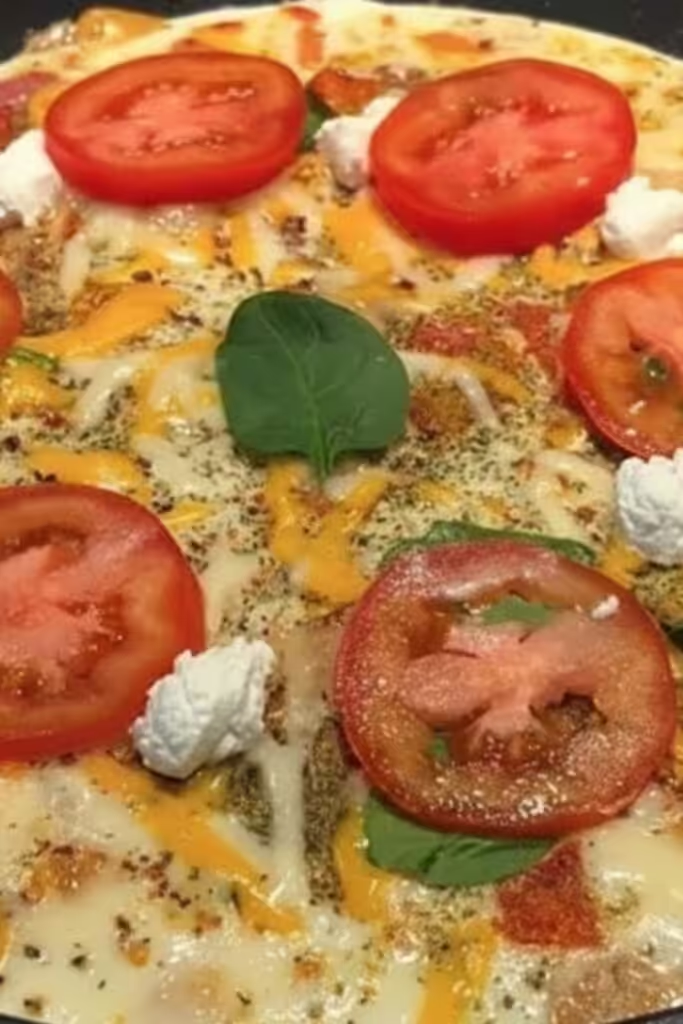
As a culinary writer who has tested countless breakfast skillets and egg bakes, I can confidently say this recipe stands out. Its brilliance lies in its simplicity and versatility. It requires minimal prep, uses one pan for easy cleanup, and is incredibly forgiving. Whether you’re cooking for one or feeding a crowd, this recipe delivers consistent, delicious results every time. It perfectly addresses the search for a meal that is both indulgent and nourishing, easy to make yet impressive to serve. Let’s dive into how you can master this creamy, protein-packed masterpiece in your own kitchen.
Why This Recipe Works: The Culinary Science Behind the Creaminess
Understanding the “why” transforms you from a recipe follower to a confident cook. This Easy Baked Pizza Eggs recipe succeeds due to a few key principles:
The Power of Gentle, Even Heat: Baking eggs in a skillet within a preheated oven provides a gentle, enveloping heat that cooks the eggs evenly from all sides. This method prevents the rubbery texture that can occur from high-heat stovetop scrambling. The eggs set slowly, allowing the proteins to coagulate into a tender, custard-like consistency that melds seamlessly with the other ingredients.
Layered Flavor Development: We start by sautéing aromatics to build a flavor foundation. Then, we incorporate a robust pizza sauce, which simmers briefly to concentrate its flavor. Pouring the eggs over this hot base means they begin cooking immediately upon contact, ensuring the final bake is cohesive, not separated.
The Cheese Strategy: Using a blend of cheeses serves multiple purposes. Melty cheeses like mozzarella or provolone provide the iconic stretch and creamy texture. A sharper cheese like Parmesan or Romano adds a salty, umami punch that heightens the overall flavor profile. Sprinkling a portion of the cheese on top creates a delicious, textured crust that contrasts beautifully with the soft eggs beneath.
The Secret Ingredient: A Touch of Creaminess: For an extra layer of luxurious texture, a splash of whole milk, half-and-half, or a dollop of ricotta mixed into the eggs makes a significant difference. This introduces more fat and liquid, which further protects the egg proteins from over-coagulating, guaranteeing a melt-in-your-mouth result. It’s the pro tip that elevates the dish from good to exceptional.
Gathering Your Ingredients: A Guide to Quality & Substitutions
Using high-quality, fresh ingredients will always yield the best flavor. Here’s what you’ll need for the classic version, along with expert notes on selections.
The Essential Shopping List
- Eggs (6 large): The star of the show. Fresh, high-quality eggs from pastured hens will have richer yolks and better flavor.
- Pizza Sauce (1 cup): Opt for a good-quality jarred sauce for convenience, or use homemade marinara. Look for one with simple ingredients and no added sweeteners for an authentic taste.
- Italian Sausage (½ lb): Mild or spicy, removed from its casing. This provides savory depth and protein. For a lighter version, see substitutions below.
- Bell Pepper (1 medium) & Onion (½ medium): Diced. These add sweetness, texture, and classic pizza flavor. Use any color pepper you prefer.
- Garlic (2 cloves): Minced. Non-negotiable for aromatic foundation.
- Cheese Blend (1 ½ cups total): I recommend 1 cup of low-moisture, part-skim mozzarella (shredded yourself for better melt) and ½ cup of freshly grated Parmesan.
- For Creaminess (¼ cup): Whole milk, half-and-half, or whole-milk ricotta.
- Fresh Basil (for garnish): Adds a bright, fresh finish.
- Seasonings: Dried oregano, crushed red pepper flakes, salt, and black pepper.
- Cooking Fat: 1 tablespoon of olive oil or butter for sautéing.
Ingredient Substitutions & Dietary Variations
One of this recipe’s greatest strengths is its adaptability. Don’t hesitate to customize based on dietary needs or pantry contents.
Protein Swaps:
- For a Lighter Option: Use ground turkey or chicken. Season it well with Italian herbs, fennel seed, salt, and pepper to mimic sausage flavor.
- Plant-Based/Vegetarian: Omit the meat entirely or use a plant-based meat crumble. For a whole-food option, rinsed and drained canned lentils or chopped mushrooms sautéed until crispy make excellent, hearty substitutes.
- Pepperoni Lovers: Add ¼ cup of sliced mini pepperoni to the skillet with the sauce.
Dairy Modifications:
- Dairy-Free/Vegan: This requires a multi-step substitution but works beautifully. Use a vegan egg substitute suitable for baking (like a chickpea flour mixture or commercial powder). For the cheese, choose high-quality vegan mozzarella shreds and nutritional yeast (2 tablespoons) to replace the Parmesan. For creaminess, unsweetened, plain almond or oat milk works well.
- Lactose-Intolerant: Use lactose-free milk and cheeses, which are widely available.
Vegetable Add-Ins & Swaps: This is where you can truly make it your own. Consider:
- Sliced mushrooms (sauté with the peppers)
- Chopped spinach or kale (wilt into the sauce)
- Sliced black olives or jalapeños
- Sun-dried tomatoes (chopped)
Sauce Alternatives: No pizza sauce? A can of crushed tomatoes seasoned with a pinch of salt, oregano, and garlic powder is a perfect stand-in.
Step-by-Step Recipe: Easy Baked Pizza Eggs
Prep Time: 15 minutes | Cook Time: 20-25 minutes | Total Time: 35-40 minutes
Servings: 4
Equipment Needed
- 10-inch oven-safe skillet (cast iron is ideal for perfect browning)
- Mixing bowl
- Whisk
- Cutting board & knife
- Measuring cups and spoons
Detailed Instructions with Pro Tips
1. Prep and Preheat.
- Preheat your oven to 375°F (190°C). This moderate temperature is key for even cooking without burning the edges.
- While the oven heats, prepare your ingredients: dice the pepper and onion, mince the garlic, shred the cheeses, and crack the eggs into a bowl.
- Pro Tip: Let your eggs sit on the counter for 10-15 minutes while you prep other ingredients. Cooking with room-temperature eggs promotes a more even and tender set.
2. Build the Flavor Base.
- Place your oven-safe skillet over medium heat. Add the olive oil.
- Add the Italian sausage (if using), breaking it up with a spoon. Cook until browned and cooked through, about 5-6 minutes. Remove with a slotted spoon, leaving the rendered fat behind.
- Add the diced pepper and onion to the skillet. Sauté in the flavorful fat until softened, about 5 minutes. Add the minced garlic and cook for just 30 seconds until fragrant—be careful not to burn it.
- Stir in the cooked sausage, pizza sauce, ½ teaspoon of dried oregano, and a pinch of red pepper flakes. Let the mixture simmer for 2-3 minutes to allow the flavors to marry. Remove from heat.
- Pro Tip: If you’re not using sausage, start with 1 tbsp of oil and sauté the vegetables. Consider adding a pinch of fennel seed to the veggies to capture that classic sausage flavor profile.
3. Prepare the Egg Mixture.
- In your mixing bowl, whisk the eggs vigorously until the yolks and whites are fully combined and the mixture is slightly frothy.
- Whisk in your choice of creamy liquid (milk, half-and-half) or ricotta until smooth. Season with ¼ teaspoon of black pepper and a small pinch of salt (remember, the cheese and sauce are salty).
- Pro Tip: Whisking thoroughly incorporates air, leading to a slightly lighter texture. For an ultra-creamy, dense texture, simply blend the eggs and cream with an immersion blender.
4. Assemble and Bake.
- Gently pour the egg mixture over the sauce and sausage base in the skillet. Use a fork to lightly jiggle the skillet and ensure the eggs settle into all the nooks.
- Sprinkle about two-thirds of your shredded cheese blend evenly over the top.
- Carefully transfer the skillet to the preheated oven.
- Bake for 15-20 minutes. The bake time is crucial for texture. You’re looking for the edges to be fully set and puffed, and the center to be just slightly jiggly. It will continue to cook from residual heat once removed.
- Pro Tip: Avoid overbaking! The moment the center loses its raw shine and has a tender jiggle (like set gelatin), it’s done. An overbaked egg casserole becomes dry and rubbery.
5. The Finishing Touches.
- Remove the skillet from the oven (remember the handle is scorching hot!).
- Immediately sprinkle the remaining cheese over the top. The residual heat will melt it perfectly.
- Let the skillet rest for 5 minutes. This is a critical step for the perfect texture. It allows the eggs to finish setting gently and makes slicing and serving much cleaner.
- Garnish with fresh, torn basil leaves.
Serving Suggestions & Presentation
This dish is a complete meal in a skillet, but thoughtful accompaniments can turn it into a feast.
- For Serving: Slice into wedges directly from the skillet. A wide spatula helps lift out each portion neatly.
- Perfect Pairings: Serve with:
- A simple green salad with a sharp vinaigrette to cut the richness.
- Buttered, toasted sourdough or garlic bread for dipping.
- Fresh fruit like melon or berries for a sweet, refreshing contrast.
- For a brunch spread, pair it with our popular Fluffy Buttermilk Pancakes or a crisp Potato and Kale Hash.
- Presentation: Bring the skillet directly to the table for a rustic, family-style presentation. The visual of the golden, cheesy top is part of the experience.
Mastering the Texture: Troubleshooting Common Issues
Even the best recipes can have off days. Here’s how to diagnose and fix common texture problems:
- Problem: Watery or separated sauce.
- Cause: The pizza sauce or vegetables released too much liquid.
- Fix: Simmer the sauce-vegetable mixture for an extra 2-3 minutes before adding eggs to reduce excess moisture. Ensure your veggies are properly sautéed until soft.
- Problem: Rubbery, tough eggs.
- Cause: Overbaking or cooking at too high a temperature.
- Fix: Use an oven thermometer to ensure accurate temperature. Start checking for doneness at the 15-minute mark. Remember, carryover cooking will happen during the rest period.
- Problem: Undercooked, runny center.
- Cause: The skillet was too cold when it went in, or the oven wasn’t fully preheated.
- Fix: Always preheat your oven for at least 20 minutes. Ensure your sauce base is hot when you pour the eggs over it.
- Problem: Bland flavor.
- Cause: Underseasoning or low-quality sauce.
- Fix: Season each layer lightly. Taste your sauce before adding eggs—does it need a pinch more salt, oregano, or garlic powder? Don’t be shy with the Parmesan cheese!
Creative Recipe Variations to Try
Once you’ve mastered the classic, explore these delicious twists:
1. The “Everything Bagel” Breakfast Skillet: Replace the pizza sauce with a base of whipped cream cheese mixed with a little milk. Top the finished bake with everything bagel seasoning, sliced green onion, and smoked salmon (added after baking).
2. Mediterranean Veggie Delight: Skip the meat. Use a base of sautéed spinach, artichoke hearts, and Kalamata olives. Use a feta and mozzarella cheese blend. Garnish with fresh dill.
3. Southwestern Fiesta Bake: Use a salsa verde or chipotle-infused tomato sauce as the base. Add black beans and corn to the veggie mix. Use a Monterey Jack and cheddar cheese blend. Top after baking with avocado, cilantro, and a dollop of sour cream.
4. “Green Eggs” Power Skillet: Blend fresh spinach or kale into the egg mixture before pouring for a vibrant, nutrient-packed twist. The flavor is mild, but the color is spectacular.
Storing, Reheating, and Meal Prep Tips
- Storage: Cool completely, then cover tightly and refrigerate for up to 3 days.
- Reheating for Best Texture: Reheat individual portions in a microwave at 50% power until warmed through, or in a covered skillet on the stovetop over low heat with a tiny splash of water to add steam. Avoid the microwave on high power, which can make eggs rubbery.
- Freezing: While possible, baked eggs can become slightly grainy upon thawing. If you must freeze, do so for up to 1 month. Thaw overnight in the fridge before reheating gently.
- Meal Prep: You can fully cook and portion this recipe for a fantastic grab-and-go breakfast all week. The vegetables and meat can also be pre-cooked and stored in the fridge for 2 days to assemble the skillet in under 10 minutes on a busy morning.
Your Questions, Answered
Can I make this ahead of time?
Yes! Assemble the entire skillet (through step 4 of assembly), cover, and refrigerate overnight. Let it sit at room temperature for 20 minutes while the oven preheats, then bake as directed, adding a few extra minutes if needed.
What if I don’t have an oven-safe skillet?
Sauté your ingredients in any pan, then transfer them to a greased 9×9 inch or similar sized baking dish. Pour the eggs over, top with cheese, and bake.
Is this recipe kid-friendly?
Absolutely! It’s a fantastic way to sneak in vegetables. You can customize their portion with just their favorite toppings (like just cheese and sauce).
How can I make it lower in calories?
Use egg whites or a blend of whole eggs and whites, lean ground turkey, reduced-fat cheese, and increase the volume of non-starchy vegetables like peppers and mushrooms.
Easy Baked Pizza Eggs is more than a recipe; it’s a versatile template for a delicious, satisfying, and protein-packed meal any time of day. It embodies the comfort of pizza in a nourishing format that will delight your taste buds and fuel your body. The creamy texture, the savory flavor, and the stunning simplicity make it a recipe you’ll return to again and again.
I hope this guide empowers you to create the perfect skillet. Now, I’d love to hear from you! Did you try a fun variation? What’s your favorite topping combination? Share your creations, tips, and ratings in the comments below. Your experience helps our entire community of home cooks. And if you loved this one-pan wonder, be sure to explore our collection of other Simple One-Skillet Suppers for more easy, flavorful dinner inspiration.
Happy cooking!


Easy Baked Pizza Eggs
Ingredients
Equipment
Method
- Preheat your oven to 400°F (200°C).
- Pour the marinara sauce into an 8-inch oven-safe skillet or a small baking dish. Spread it evenly over the bottom.
- Use a spoon to create four small wells in the sauce. Carefully crack one egg into each well.
- Sprinkle the shredded mozzarella and Parmesan evenly over the sauce (try to leave the yolks exposed for a better look). Top with mini pepperoni and dried oregano.
- Place the skillet in the oven and bake for 12-15 minutes. The whites should be set, but the yolks should still be slightly jiggly.
- Remove from the oven. Garnish with fresh basil and red pepper flakes if desired. Serve immediately.