
There are certain dishes that transcend the simple act of eating and become something far more profound—they become tradition, memory, and ritual wrapped up in a single, unforgettable bite. Capirotada: Traditional Mexican Bread Pudding for Lent is exactly that kind of dish. It is a dessert steeped in history, layered with symbolism, and imbued with the kind of deep, soulful comfort that only comes from recipes passed down through generations.
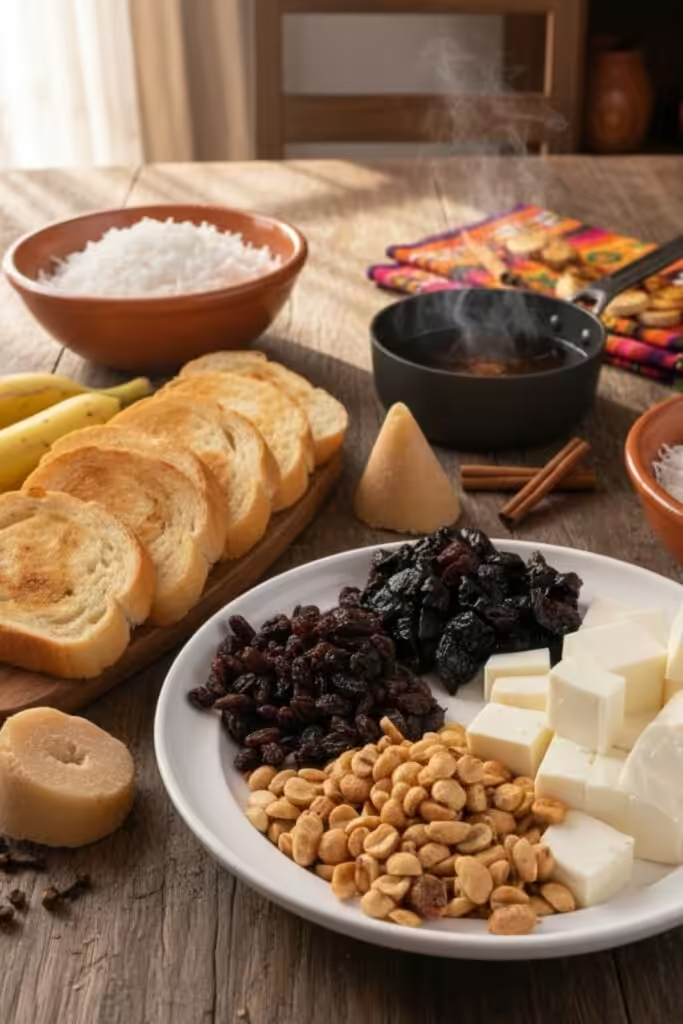
Imagine lifting the lid of a baking dish to reveal golden, syrup-soaked bread, its edges caramelized and glistening. As you spoon into it, you uncover a beautiful tapestry of textures—pillowy-soft bread, chewy raisins, the gentle bite of dried fruit, the warm crunch of peanuts, and surprising pops of creamy, slightly salty cheese. The aroma is intoxicating: warm cinnamon, earthy piloncillo, and a hint of citrus that speaks of old-world kitchens and family gatherings.
While Capirotada is cherished year-round by many, its true home is during the Lenten season, particularly on Good Friday. For centuries, Mexican families have prepared this dish as a meatless meal and a delicious way to use day-old bread. The search intent behind “Capirotada for Lent” is clear: people are looking for an authentic, meaningful dessert that honors tradition while being accessible to the modern home cook. As a culinary writer specializing in heritage foods, I’m here to guide you through every step, demystify the ingredients, and help you create a Capirotada that would make any abuela proud.
The Sacred Symbolism: Why Capirotada Is Served During Lent
To truly appreciate Capirotada, one must understand its role in Mexican Catholic tradition. This is not merely a bread pudding; it is a dish that tells the story of the Passion of Christ, transforming simple ingredients into edible scripture.
- The Bread: Represents the Body of Christ, broken and shared.
- The Piloncillo Syrup: Its deep, dark color symbolizes the blood of Christ shed on the cross.
- The Cloves: Represent the nails that pierced Christ’s hands and feet.
- The Cinnamon Sticks: Symbolize the wooden cross upon which Christ was crucified.
- The Cheese: Often said to represent the Holy Shroud or the purity and mercy of the Virgin Mary.
- The Raisins and Dried Fruit: Symbolize the tears of the Virgin Mary mourning her son.
- The Peanuts and Nuts: Represent the roughness of the cross or the stones of Jerusalem.
This symbolism elevates Capirotada from a simple dessert to a teaching tool and a meditation on faith. During Lent, when many Catholics abstain from meat on Fridays, this rich and satisfying bread pudding becomes a nourishing centerpiece for the family table. Understanding this depth of meaning makes the act of preparing and sharing Capirotada all the more special.
Why This Traditional Capirotada Recipe Works
Creating an authentic Capirotada is about more than just following a list of ingredients. It’s about understanding the interplay of flavors and textures, and mastering a few key techniques that transform humble staples into something extraordinary.
The Secret to a Deeply Flavorful, Alcohol-Free Syrup
Many modern bread pudding recipes rely on spirits like rum or bourbon to add depth and complexity. In authentic Capirotada, we achieve an even richer, more nuanced flavor profile using a combination of piloncillo, whole spices, and a touch of citrus—no alcohol required.
- Piloncillo Is the Heart of the Dish: This unrefined cane sugar, found in Latin markets and many supermarkets, is absolutely essential. Sold in solid, cone-shaped blocks, piloncillo has a complex, earthy flavor with notes of molasses, caramel, and even a hint of smoke. It’s less sweet and far more interesting than regular brown sugar. To use it, you’ll need to chop it with a sharp knife or grate it on a box grater. Don’t skip this ingredient—it is the soul of your Capirotada.
- Building Complexity Through Infusion: We don’t just dissolve the piloncillo in water. We create an infusion by simmering it gently with whole cinnamon sticks, whole cloves, and a strip of fresh orange peel. This slow extraction allows the essential oils from the spices and citrus to perfume the syrup, creating layers of flavor that are impossible to achieve with ground spices. The orange peel is my secret weapon—it brightens the syrup and prevents it from becoming one-dimensionally sweet.
Achieving the Perfect Texture: Soft, Custardy, and Satisfyingly Crunchy
The magic of Capirotada lies in its textural contrasts. Each bite should offer a little bit of everything.
- The Bread: Day-old bolillo rolls or a firm French baguette are ideal. They are sturdy enough to withstand the syrup without disintegrating into mush. Toasting the slices lightly before assembling serves two purposes: it adds a subtle toasty flavor and creates a slight crust that helps the bread absorb the syrup slowly and evenly.
- The Savory Counterpoint: The inclusion of cheese might seem unusual if you’ve never had Capirotada, but it is what elevates this dish from simple dessert to complex culinary experience. The salty, milky notes of queso fresco or asadero cut through the sweetness of the syrup and provide a savory balance that keeps you coming back for more. It’s a genius addition that defines the dish.
- The Resting Period Is Non-Negotiable: When Capirotada comes out of the oven, it will appear loose and liquid. This is where patience becomes an ingredient. You must allow it to rest for at least an hour, or even overnight in the refrigerator. During this time, the bread continues to absorb the syrup, the flavors meld and deepen, and the entire dish sets into a perfect, spoonable, custard-like consistency. Serve it too soon, and you’ll have a soupy mess. Let it rest, and you’ll have Capirotada perfection.
Essential Ingredients for Authentic Capirotada
Seeking out the right ingredients is the first step toward creating a truly memorable dish.
For the Signature Piloncillo Syrup:
- 2 cones (about 16 ounces) piloncillo, chopped or grated
- 4 cups water
- 2 whole cinnamon sticks
- 4 whole cloves
- 1 strip of orange peel (about 2 inches long, removed with a vegetable peeler, no white pith)
For the Capirotada Layers:
- 1 large day-old bolillo roll or small French baguette (about 8-10 ounces), sliced into ½-inch rounds
- ½ cup unsalted butter, melted (for brushing the bread)
- 1 ½ cups crumbled queso fresco or asadero cheese (or a mild, low-sodium feta in a pinch)
- ½ cup raisins
- ½ cup chopped dried apricots or prunes
- ½ cup roasted peanuts, roughly chopped (plus extra for garnish)
- ½ cup pecan halves or walnuts (optional)
- ¼ cup shredded coconut (optional, for added texture)
- Sliced almonds, for garnish (optional)
Step-by-Step Instructions for Traditional Lenten Capirotada
Follow these steps carefully, and you’ll be rewarded with a Capirotada that honors tradition and delights every palate.
Step 1: Craft the Infused Piloncillo Syrup
- Place the chopped piloncillo, water, cinnamon sticks, whole cloves, and orange peel into a medium saucepan.
- Bring the mixture to a boil over medium-high heat, stirring occasionally to help the piloncillo dissolve completely.
- Once boiling, immediately reduce the heat to low and allow the syrup to simmer gently, uncovered, for 20-25 minutes. You’re looking for a slight thickening and a reduction of about one-quarter of the volume. The syrup should be flavorful and fragrant but not as thick as honey.
- Remove the pan from the heat and allow the syrup to cool for a few minutes. Using a slotted spoon or tongs, carefully remove and discard the cinnamon sticks, cloves, and orange peel. Set the syrup aside.
Step 2: Toast the Bread to Perfection
- While the syrup simmers, preheat your oven to 350°F (175°C) .
- Arrange the bread slices in a single layer on a large baking sheet. Using a pastry brush, lightly coat both sides of each slice with the melted butter.
- Place the baking sheet in the oven and toast for 8-10 minutes, flipping the slices halfway through, until they are lightly golden and slightly crisp on both sides. This step builds flavor and structural integrity, so don’t rush it.
- Remove the toasted bread from the oven and reduce the oven temperature to 325°F (160°C) .
Step 3: Layer the Capirotada with Intention
- Lightly grease an 8×8-inch square baking dish or a similar 2-quart casserole dish.
- Begin by arranging a single layer of toasted bread slices on the bottom of the dish. Break slices as needed to cover the surface as completely as possible.
- Drizzle approximately one-third of the prepared piloncillo syrup evenly over the bread layer.
- Sprinkle one-third of the crumbled cheese, raisins, chopped dried apricots, chopped peanuts, pecans (if using), and shredded coconut (if using) over the syrup-soaked bread.
- Repeat this process to create two more complete layers. For the final, top layer, be generous with the cheese and nut sprinkling, as this will create a beautiful, textured crust. Reserve a small handful of peanuts and pecans for the final garnish.
- Pour any remaining syrup evenly over the entire assembled dish. It will look quite liquid—this is exactly how it should look.
Step 4: Bake to Golden-Brown Glory
- Cover the baking dish tightly with aluminum foil. This traps steam and ensures the bread softens and absorbs the syrup evenly.
- Place the dish in the preheated 325°F (160°C) oven and bake for 25 minutes.
- After 25 minutes, carefully remove the foil. Return the dish to the oven and bake for an additional 10-15 minutes, until the top is lightly golden and the edges are bubbly and caramelized.
- Remove the Capirotada from the oven and immediately sprinkle the reserved peanuts and pecans over the top for a fresh, crunchy garnish.
Step 5: Exercise Patience—The Crucial Resting Period
- This is the most important step in the entire recipe. Allow the Capirotada to cool and rest at room temperature for at least 60 minutes. For the absolute best flavor and texture, cover it and refrigerate it for several hours or overnight.
- During this resting period, the bread will continue to absorb the remaining syrup, the flavors will meld and deepen into a harmonious whole, and the dish will set into its classic, pudding-like consistency.
- Capirotada can be served warm, at room temperature, or even cold. Each temperature offers a slightly different but equally delicious experience.
Meaningful Variations and Substitutions for Modern Kitchens
While tradition is beautiful, modern kitchens sometimes require flexibility. Here are some excellent adaptations.
Vegetarian Capirotada
Traditional Capirotada is already vegetarian, as it contains no meat. Just ensure the cheese you select is made with vegetarian rennet, which is widely available.
Vegan Capirotada for Lenten Observance
This adaptation is simple and delicious. Substitute the butter with a high-quality vegan butter or a neutral oil like avocado oil for toasting the bread. For the cheese, look for a crumbled vegan “queso fresco” or simply omit the cheese altogether—some regions of Mexico make Capirotada without it, and the result is still deeply satisfying. The piloncillo syrup is naturally vegan.
Gluten-Free Capirotada
Use a sturdy, day-old gluten-free baguette or bolillo-style bread. Toasting it well is especially important to give it the structure needed to hold up to the syrup. Ensure all other ingredients are certified gluten-free, though most nuts, dried fruits, and spices naturally are.
Nut-Free Capirotada
Simply omit all nuts. You can increase the amount of raisins and dried apricots, or add other dried fruits like chopped dried figs, dried cranberries, or chopped dates for texture and sweetness.
Fruit and Cheese Variations
Feel free to experiment with the dried fruit mix. Dried cherries, dried cranberries, chopped dried mango, or even sliced banana chips (added at the end for crunch) are all wonderful. For the cheese, while queso fresco is traditional, a mild Monterey Jack or even small cubes of cream cheese can be used for a different texture.
Pro Tips for Capirotada Success
- Source Real Piloncillo: This is not the time for substitution. Brown sugar will give you a different, less complex result. Seek out piloncillo at a Latin market or online.
- Day-Old Bread Is Your Friend: Fresh bread is too moist and will turn to mush. Slightly stale bread has the perfect structure for absorbing syrup at the right rate.
- Resist the Urge to Over-Bake: You’re not trying to dry out the pudding. You’re warming it through and allowing the flavors to meld. The second bake, uncovered, is just to achieve a beautiful golden top.
- The Rest Period Is Mandatory: I’ve said it before, but it bears repeating. If you skip the rest, you skip the magic. Plan ahead and build this resting time into your schedule.
- Make It a Day Ahead: Capirotada is one of those rare dishes that is genuinely better the next day. Making it a day ahead for a Lenten gathering is a brilliant time-saver and guarantees optimal flavor.
Frequently Asked Questions About Capirotada
Q: Why is Capirotada specifically associated with Lent?
A: Historically, Capirotada was a meatless dish that could be eaten on Fridays during Lent, a period of abstinence in the Catholic tradition. Its ingredients also carry deep religious symbolism related to the Passion of Christ, making it a meaningful addition to the Lenten table.
Q: Can I use a different type of bread?
A: While bolillo or a firm French baguette is traditional, you can use other sturdy, day-old breads like telera rolls or even a crusty Italian bread. Avoid soft, airy breads like brioche or challah, as they will not hold up to the syrup.
Q: Can I make Capirotada ahead of time for a Lenten dinner?
A: Absolutely. In fact, it’s highly recommended. Assemble and bake the Capirotada, allow it to cool completely, then cover and refrigerate. The next day, you can serve it cold, at room temperature, or gently reheat it in a low oven (about 300°F) until just warmed through.
Q: Is the cheese supposed to melt?
A: Queso fresco and asadero are soft, crumbly cheeses that soften in the oven but do not melt into a stretchy, stringy consistency like mozzarella. They become creamy and tender, providing little pockets of salty flavor throughout the pudding.
Q: Can I freeze Capirotada?
A: Yes, Capirotada freezes surprisingly well. Allow it to cool completely, then wrap the dish tightly in plastic wrap and aluminum foil. Freeze for up to 3 months. Thaw overnight in the refrigerator and reheat gently before serving.
A Dessert That Feeds the Soul
Preparing Capirotada: Traditional Mexican Bread Pudding for Lent is an act of love and a connection to generations past. It’s a dish that nourishes on multiple levels—physically with its rich, comforting ingredients, and spiritually with its profound symbolism and deep cultural roots.
When you bring this dish to your table, you’re not just serving dessert. You’re sharing a story. You’re honoring a tradition. You’re creating a moment of connection for your family and friends that will linger in their memories long after the last bite is gone.
I hope this guide has given you the confidence and inspiration to carry this beautiful tradition forward in your own kitchen. If you make this recipe, please return and share your experience in the comments below. Tell me about the aromas that filled your kitchen, the faces around your table, and how your Capirotada turned out. Don’t forget to rate the recipe and share it with someone who might need a taste of tradition today.
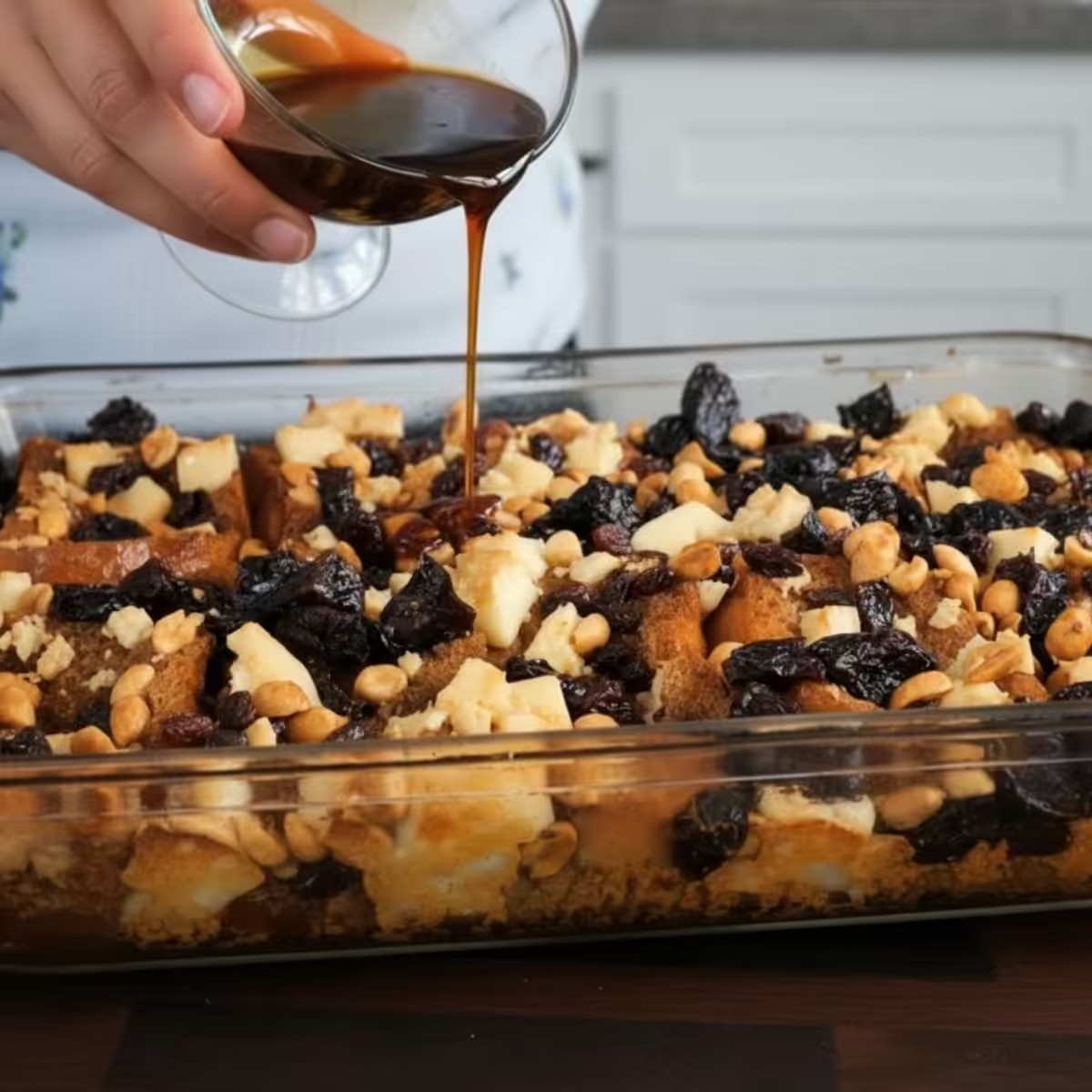

Traditional Lenten Capirotada
Ingredients
Equipment
Method
- In a medium saucepan, combine chopped piloncillo, water, cinnamon sticks, cloves, and orange peel. Bring to a boil over medium-high heat, stirring occasionally to dissolve the piloncillo.
- Reduce heat to low and simmer gently, uncovered, for 20-25 minutes until slightly thickened and reduced. Remove from heat, cool slightly, and discard cinnamon sticks, cloves, and orange peel. Set syrup aside.
- Preheat oven to 350°F (175°C). Arrange bread slices on a baking sheet and brush both sides with melted butter. Toast for 8-10 minutes, flipping halfway, until lightly golden. Reduce oven temperature to 325°F (160°C).
- Lightly grease an 8×8-inch baking dish. Arrange a single layer of toasted bread on the bottom. Drizzle with one-third of the syrup.
- Sprinkle with one-third of the crumbled cheese, raisins, dried apricots, peanuts, pecans (if using), and shredded coconut (if using). Repeat layering two more times, ending with a final sprinkle of cheese and nuts on top. Pour any remaining syrup over the assembled dish.
- Cover with foil and bake at 325°F (160°C) for 25 minutes. Remove foil and bake for another 10-15 minutes until top is lightly golden and edges are bubbly.
- Remove from oven and sprinkle with reserved peanuts and pecans for garnish.
- Allow to rest at room temperature for at least 60 minutes, or cover and refrigerate overnight, before serving. This allows the bread to absorb the syrup and the dish to set properly. Serve warm, at room temperature, or chilled.