
There are some dishes that transcend mere sustenance and become something deeper—a connection to heritage, a marker of celebration, a taste of home. Classic corned beef and cabbage is one of those dishes. For generations, it has graced tables on St. Patrick’s Day and beyond, bringing families together around a steaming platter of tender beef, sweet carrots, and perfectly cooked cabbage. But for all its tradition, this classic has often been plagued by a common problem: meat that’s dry and stringy, vegetables that have dissolved into mush, and flavor that fails to live up to the anticipation.
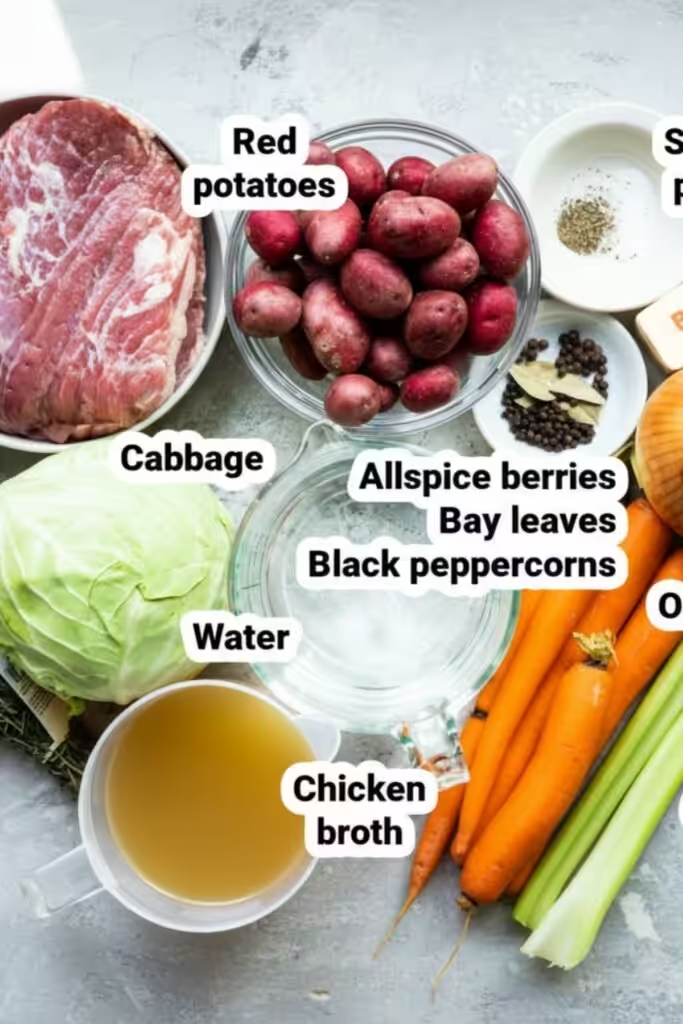
I’ve spent years in the kitchen, both professionally and at home, perfecting the dishes that matter most. And I’m here to tell you that the secret to reviving this classic—to making it taste the way you always hoped it would—lies in one humble appliance: the crockpot. This isn’t about reinventing tradition; it’s about honoring it with a method that delivers consistently exceptional results.
This classic crockpot recipe for corned beef and cabbage is the one I’ve come back to time and time again. It’s the one I share with friends who are hosting their first St. Patrick’s Day dinner, the one that disappears fastest at potlucks, the one that has never, ever failed to produce meat so tender it falls apart at the touch of a fork. Today, I’m sharing it with you, along with all the tips, techniques, and insider knowledge you need to make it your own.
Why the Crockpot is the Key to Classic Perfection
The beauty of a classic recipe lies in its simplicity. Corned beef and cabbage, at its heart, is just a few humble ingredients transformed by time and heat. But that transformation requires the right conditions.
Corned beef is traditionally made from brisket, a cut of meat that comes from the well-exercised chest muscles of the cow. This means it’s rich in connective tissue called collagen. When cooked improperly—say, at a rolling boil on the stovetop—those muscle fibers contract violently, squeezing out moisture and leaving you with a dry, tough result. The collagen doesn’t have time to break down properly.
The crockpot solves this problem elegantly. By maintaining a low, consistent temperature over many hours, it creates the ideal environment for that collagen to slowly melt into rich, succulent gelatin. This process, called gelatinization, is what gives slow-cooked meat its signature “melt-in-your-mouth” texture. The meat becomes incredibly tender, yet it remains moist and sliceable. It’s the difference between a good meal and an unforgettable one.
Understanding Your Brisket: The Foundation of the Classic
Before you even plug in your crockpot, let’s talk about the star of the show. A classic corned beef and cabbage dinner begins with the right cut of brisket.
Flat Cut: The Classic Choice for Presentation
The flat cut is the leaner, more uniform portion of the brisket. It’s rectangular in shape with a thick layer of fat on one side, and it slices beautifully into even portions that look stunning on a platter. This is the cut you’ll typically see in grocery stores, and it’s an excellent choice for this recipe. Because it’s leaner, it’s particularly well-suited to the moist environment of the crockpot, which will keep it from drying out.
Point Cut: For the Ultimate in Flavor
The point cut is thicker, more irregular, and heavily marbled with fat running throughout the meat. As it cooks, this intramuscular fat renders, creating an exceptionally rich, deeply flavorful result. While it’s more challenging to get uniform slices, the flavor is extraordinary. If you can find a “whole” brisket that includes both cuts, you’ll get the best of both worlds.
The Pre-Cook Ritual: Three Non-Negotiable Steps
Regardless of which cut you choose, there are three steps you must take before the meat goes into the pot.
- Rinse Thoroughly: Remove the brisket from its packaging and discard any absorbent pad. Rinse the meat completely under cool, running water. This washes away excess surface brine, preventing your final dish from being overly salty.
- Pat Dry: Use paper towels to pat the brisket completely dry. This allows seasonings to adhere and ensures a better texture.
- Save the Spice Packet: That small packet of spices included with your corned beef is a classic component. While we’ll be adding our own aromatic layers, the traditional mix of peppercorns, mustard seeds, and coriander belongs in the pot.
Building Classic Flavor Without Alcohol
Many traditional recipes for corned beef call for braising in beer or stout. I’ve developed an alcohol-free braising liquid that honors the classic flavor profile while being accessible to everyone. This is the secret to our deeply flavorful, classic crockpot corned beef.
- Low-Sodium Beef Broth (4 cups): This is the savory foundation. It provides deep umami notes that perfectly complement the beef. Using low-sodium broth is essential because it gives you control over the final salt level.
- Apple Cider (1 cup): This is my nod to tradition with a twist. A good quality apple cider adds a subtle sweetness and gentle fruitiness that balances the saltiness of the brine and the pungency of the spices. It’s a classic flavor pairing that works beautifully.
- Whole-Grain Mustard (2 tablespoons): Mustard is a classic accompaniment to corned beef, and here it works its magic in the braising liquid. Its tangy, sharp character cuts through the richness of the beef, brightening every bite.
- Brown Sugar (1 tablespoon): A touch of brown sugar adds warmth and enhances the natural sweetness of the meat and vegetables.
This combination creates a braising liquid that’s savory, sweet, tangy, and deeply aromatic—the perfect partner for your classic corned beef.
Step-by-Step Instructions for Classic Crockpot Corned Beef and Cabbage
Follow these simple steps, and you’ll create a classic corned beef and cabbage dinner that will have everyone asking for the recipe.
Step 1: Create the Vegetable Bed
Place the quartered onion and carrot chunks in the bottom of your 6-quart or larger crockpot. These vegetables serve two purposes: they create a natural rack that lifts the brisket out of the rendered fat, and they absorb the delicious cooking liquid, becoming a flavorful part of the meal. If you’re adding potatoes, place them here as well.
Step 2: Season the Brisket
Place the rinsed and dried brisket, fat-side UP, on top of the vegetables. The fat-side-up position is crucial—as the fat cap renders during cooking, it will slowly baste the meat, keeping it incredibly moist and flavorful. Sprinkle the contents of the included spice packet evenly over the brisket.
Step 3: Add the Classic Braising Liquid
In a medium bowl, whisk together the beef broth, apple cider, whole-grain mustard, and brown sugar. Pour this mixture carefully around the edges of the brisket, being careful not to wash the spices off the top. The liquid should come about halfway up the sides of the meat.
Step 4: The Long, Classic Slow Cook
Cover the crockpot and set it to LOW for 10-12 hours or HIGH for 6-8 hours. I strongly recommend the LOW setting. This longer, gentler cook time is what truly guarantees the most tender, classic texture. You’ll know it’s done when a fork inserted into the thickest part of the meat goes in with little to no resistance.
Step 5: The Cabbage Addition (Preserving the Classic Texture)
This is the most important step for achieving perfect cabbage. If you add the cabbage at the beginning, it will cook for hours and turn into a gray, mushy shadow of its former self. Cabbage needs only a fraction of that time to become tender while still retaining its character.
About 45 to 60 minutes before you plan to serve, carefully remove the lid and nestle the cabbage wedges down into the hot liquid around the brisket. They don’t need to be fully submerged. Replace the lid and continue cooking. This short window is all it takes to make the cabbage perfectly tender, sweet, and infused with flavor.
Step 6: Rest, Slice, and Serve in Classic Style
This final step is non-negotiable for juicy meat. Using sturdy tongs and a spatula, carefully transfer the entire brisket to a cutting board. Loosely tent it with aluminum foil and let it rest for at least 15-20 minutes. Resting allows the juices to redistribute evenly throughout the meat. If you slice immediately, those precious juices will end up on your cutting board.
While the meat rests, use a slotted spoon to transfer the vegetables to a serving platter. To serve, slice the corned beef against the grain. Look for the direction the muscle fibers are running and slice perpendicular to them. This shortens the fibers, guaranteeing a tender bite in every slice. Arrange the sliced meat on a platter with the vegetables and spoon a little of the hot cooking liquid over the top.
Classic Variations and Thoughtful Substitutions
- Horseradish Cream Sauce: The classic accompaniment. Mix 1/2 cup sour cream, 2 tablespoons prepared horseradish (drained), 1 teaspoon Dijon mustard, and a squeeze of lemon juice. Season with salt and pepper.
- Honey Mustard Glaze: For a beautifully caramelized finish, about 30 minutes before serving, carefully transfer the brisket to a foil-lined baking sheet. Mix 1/4 cup of the hot cooking liquid with 2 tablespoons of honey and brush over the brisket. Place under the broiler for 3-5 minutes until bubbly and browned.
- Gluten-Free: This classic recipe is naturally gluten-free. Just verify that your beef broth and mustard are certified gluten-free.
- Root Vegetable Medley: Along with the carrots and onions, add chunks of parsnips, rutabaga, or celery root to the bottom of the crockpot for a more substantial vegetable component.
- Classic Potato Addition: Add 1.5 pounds of baby potatoes or Yukon Gold potatoes cut into 2-inch chunks to the bottom of the crockpot for a complete one-pot meal.
Frequently Asked Questions About Classic Corned Beef
Why do I need to rinse the corned beef?
Rinsing removes excess surface brine, which prevents the final dish from being overly salty. It’s a simple step that makes a significant difference.
Can I use a frozen brisket?
It’s best to thaw your brisket completely in the refrigerator before cooking. This ensures even cooking and proper food safety.
Why is my corned beef tough?
If your corned beef is tough, it simply hasn’t cooked long enough. The collagen hasn’t had sufficient time to break down. Return it to the crockpot and continue cooking, checking every 30 minutes until it’s fork-tender.
Can I add the cabbage at the beginning?
You can, but I strongly advise against it. Cabbage cooked for 10+ hours becomes gray, mushy, and develops a strong sulfur flavor. The 45-60 minute window at the end is truly the classic method for perfectly cooked cabbage.
How do I store and use leftovers?
Leftover classic corned beef is a gift. Store meat and vegetables separately in airtight containers in the refrigerator for up to 4 days. The classic leftovers include:
- Reuben Sandwiches: Layer sliced corned beef, Swiss cheese, sauerkraut, and Russian dressing on rye bread.
- Corned Beef Hash: Chop the meat and potatoes and pan-fry with onions until crispy. Top with a fried egg.
- Corned Beef and Cabbage Soup: Chop the leftovers and simmer them in the reserved cooking liquid.
Why This Classic Recipe Deserves a Place in Your Kitchen
This classic crockpot corned beef and cabbage recipe has everything you could want. It’s:
- Foolproof: The crockpot does the work, guaranteeing tender results every time.
- Flavorful: Our alcohol-free braising liquid creates deep, complex flavor that honors tradition.
- Authentic: Respects the classic dish while improving the method.
- Make-Ahead Friendly: Perfect for entertaining or busy weeknights.
- Budget-Friendly: Transforms an affordable cut into something special.
I’ve made this classic recipe for St. Patrick’s Day gatherings, for casual Sunday dinners, and for anyone who needed a taste of comfort. It never fails to deliver, and it always brings people together around the table. Now it’s your turn.
I’d love to hear how this classic turns out for you! Will you serve it with horseradish cream or keep it simple? Drop a comment below, rate the recipe, and share your photos. And if you’re looking for more classic comfort food recipes, be sure to check out our guides for pot roast and Irish soda bread.
Happy cooking!
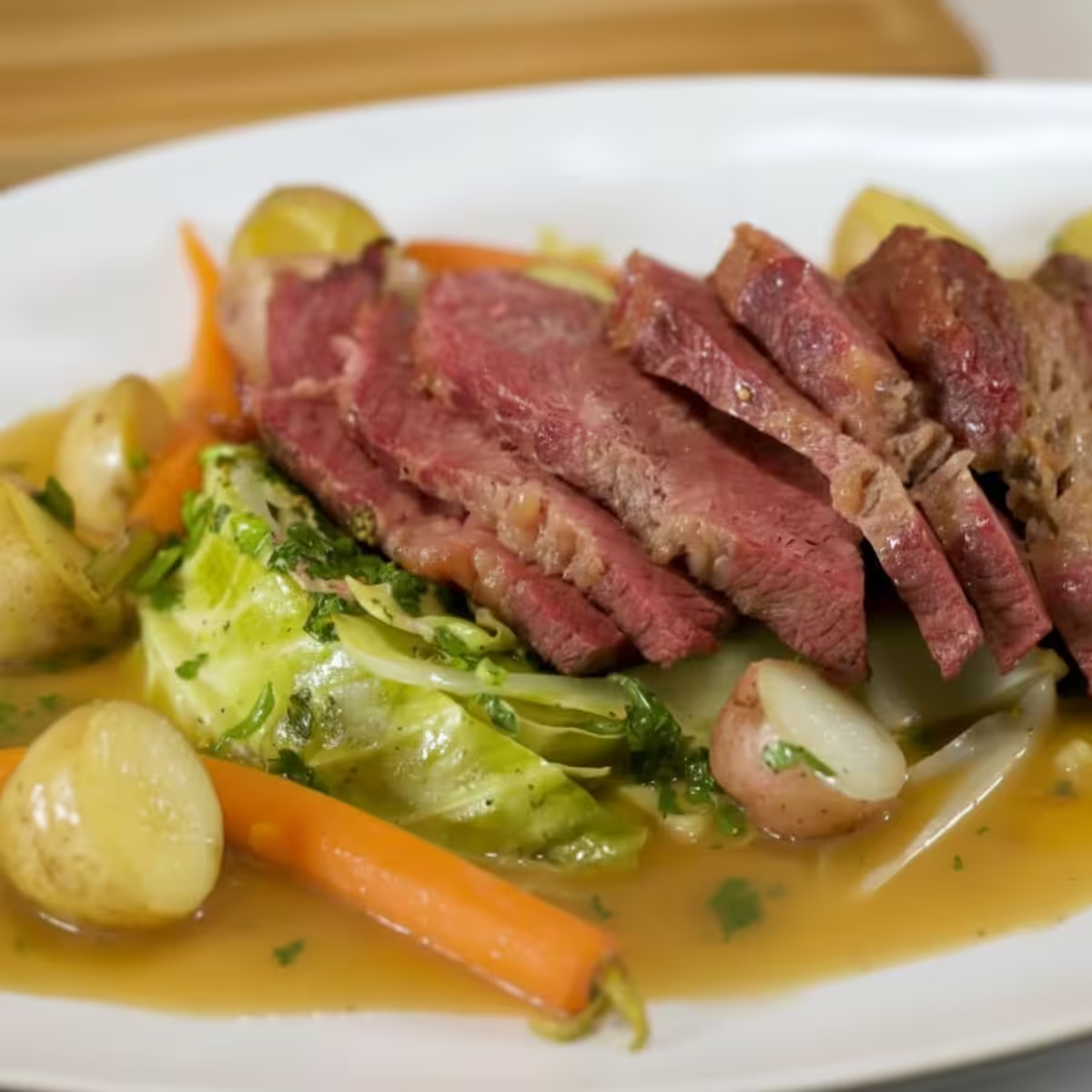

Classic Corned Beef and Cabbage (Crockpot Recipe)
Ingredients
Equipment
Method
- Remove corned beef from package, discard absorbent pad, and rinse the brisket thoroughly under cool running water. Pat completely dry with paper towels. Reserve the spice packet.
- Place the quartered onion, carrot chunks, and optional potatoes in the bottom of a 6-quart or larger crockpot.
- Place the brisket, fat-side up, on top of the vegetables. Sprinkle the contents of the spice packet and optional bay leaves evenly over the brisket.
- In a medium bowl, whisk together the beef broth, apple cider, whole-grain mustard, and brown sugar. Pour the liquid around the edges of the brisket, being careful not to wash the spices off the top.
- Cover and cook on LOW for 10-12 hours, or on HIGH for 6-8 hours. The meat is ready when it is fork-tender and pulls apart easily.
- About 45-60 minutes before serving, carefully nestle the cabbage wedges into the hot liquid around the brisket. Replace the lid and continue cooking on HIGH.
- Using tongs and a spatula, carefully transfer the brisket to a cutting board. Loosely tent with foil and let it rest for 15-20 minutes before slicing.
- Use a slotted spoon to transfer the vegetables to a serving platter, discarding bay leaves. Slice the corned beef against the grain. Serve warm with vegetables and a spoonful of the cooking liquid.