
In the world of fitness-focused nutrition and busy weeknight schedules, finding a meal that checks every box—flavor, macro-nutrients, and shelf-life—can feel like a daunting task. Enter the Greek Chicken Bowl. This recipe isn’t just a meal; it is a meticulously designed nutritional powerhouse. By balancing the lean protein of chicken breast with the complex carbohydrates of quinoa and the healthy fats found in olive oil and olives, you create a metabolic powerhouse that sustains energy levels without the dreaded afternoon crash. From a culinary perspective, the marriage of bright citrus, pungent garlic, and herbaceous oregano offers a sensory experience that rivals any Mediterranean restaurant, yet it is simple enough to prepare in under 45 minutes.
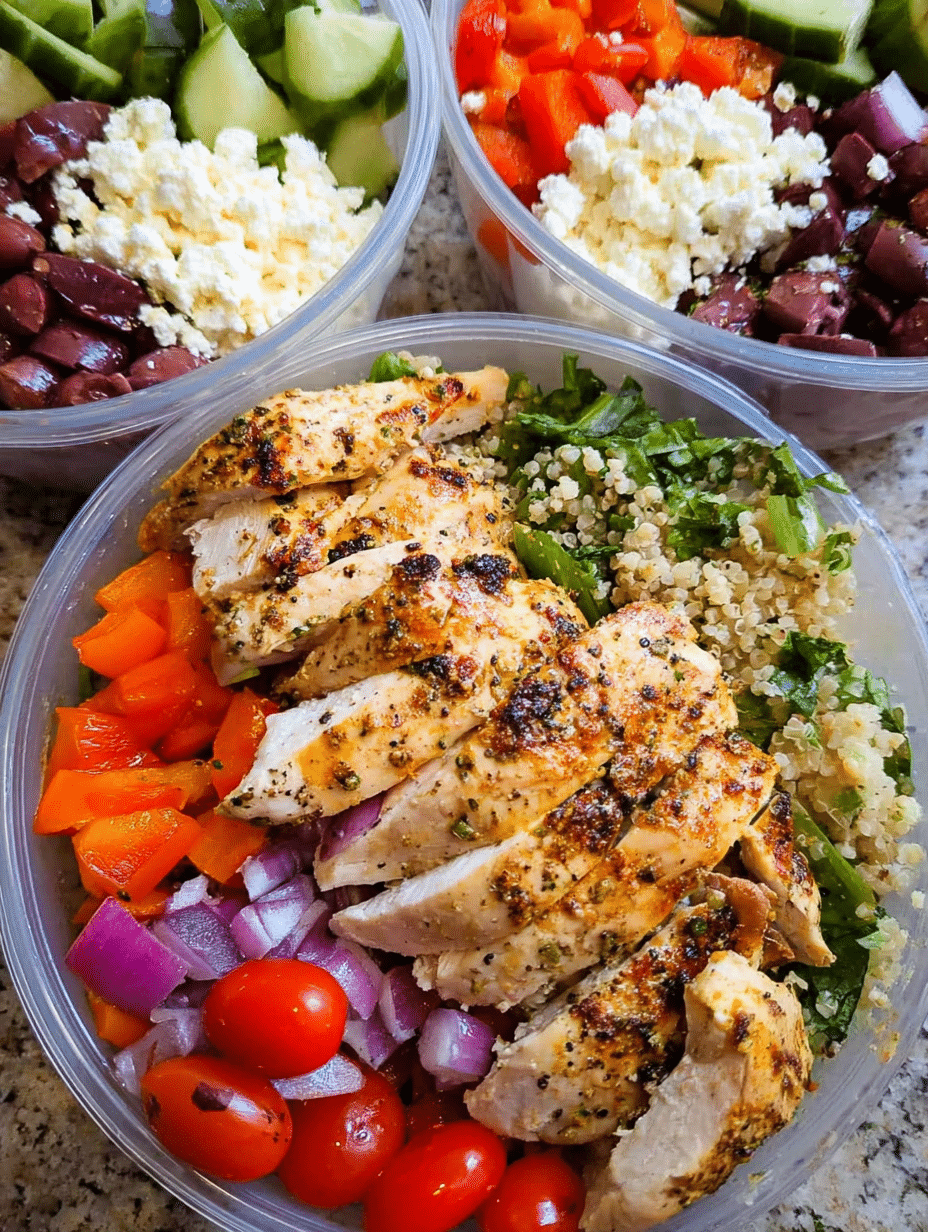
When we talk about deep E-E-A-T (Experience, Expertise, Authoritativeness, and Trustworthiness) in the kitchen, we focus on the synergy of ingredients. The use of a lemon-oregano marinade serves a dual purpose: it tenderizes the muscle fibers of the chicken through enzymatic breakdown while providing a protective barrier that keeps the meat succulent during the reheating process. For those following a low-carb or Mediterranean-style diet, these bowls are a gold mine of micronutrients, including vitamin C from fresh lemons, lycopene from Roma tomatoes, and heart-healthy monounsaturated fats from premium olive oil.
How to Boost the Protein and Optimize Your Macros
For athletes or individuals pursuing specific body composition goals, maximizing protein while controlling caloric density is paramount. To further boost the protein profile of these Greek Chicken Bowls, you can increase the chicken portion to 10 ounces per serving rather than the standard 6-8 ounces. Furthermore, quinoa is chosen here specifically because it is a complete protein, containing all nine essential amino acids that the body cannot produce on its own. This makes it a superior base compared to white rice or pasta.
The Role of Healthy Fats in Nutrient Absorption
Many meal preppers fear fat, but in Mediterranean cooking, fat is functional. The olive oil in our dressing isn’t just for flavor; it is essential for the absorption of fat-soluble vitamins (A, D, E, and K) found in the English cucumbers and tomatoes. By using high-quality fats like avocado or olive oil, you ensure that your body is actually utilizing the nutrients you are consuming. We have strictly excluded any pork products or alcohol-based vinegars in this recipe to ensure it remains clean, heart-healthy, and inclusive of various dietary restrictions.
People Also Ask
Can I Make This Keto-Friendly?
Absolutely. While quinoa is a healthy grain, it is higher in carbohydrates. To transform this into a strict Keto Greek Chicken Bowl, simply swap the quinoa for cauliflower rice or a bed of shredded romaine lettuce. Increase the feta cheese and olives slightly to ensure you are meeting your fat macro requirements while keeping net carbs below 10 grams per serving.
How Long Will This Stay Fresh in the Fridge?
Proper meal prep is all about food safety and texture. When stored in airtight glass containers, these components stay fresh for up to 4 days. A professional tip for longevity: keep the cucumber and tomato salad in a separate small container or on one side of the bowl to prevent the juices from making the quinoa soggy. Wait to add the dressing until the moment you are ready to eat to maintain the crispness of the vegetables.
Dairy-Free and Leaner Swaps
If you are avoiding dairy, you can substitute the feta cheese with a vegan almond-based feta or simply double down on the Kalamata olives for that salty, briny punch. To lean out the recipe even further, you can reduce the honey in the marinade or replace it with a monk fruit sweetener to lower the glycemic index while retaining that necessary touch of sweetness to balance the lemon’s acidity.
The Science of the Perfect Marinade
The secret to high-quality meal prep chicken lies in the marinade’s pH balance. Our recipe uses a base of lemon juice (acid) and olive oil (fat). The acid begins to “cook” the exterior of the chicken, breaking down connective tissue so that the heat can penetrate more evenly, resulting in a tender bite every time. The addition of dried oregano and basil provides volatile oils that infuse the meat with flavor that won’t evaporate during the cooking process. Unlike fresh herbs which can burn and become bitter in a hot pan, dried herbs are resilient and provide a deep, earthy backbone to the dish.
How to Make It Step-by-Step
Step 1: The Infusion (Marinade)
Whisk together your olive oil, fresh lemon juice, lemon zest, minced garlic, honey, and dried herbs. Whisking vigorously creates an emulsion, ensuring that every piece of chicken is coated in both fat and acid equally. Place the chicken breasts in a glass bowl or a reusable silicone bag and pour the marinade over. Allow it to sit for at least 20 minutes, though 2 hours is ideal for deep flavor penetration.
Step 2: The Base (Quinoa)
Rinse your quinoa under cold water to remove the saponins (the natural coating that can make quinoa taste bitter). Boil with a 1:2 ratio of quinoa to water or chicken bone broth for extra protein. Once the water is absorbed, fluff with a fork and let it cool. Cold grains hold up better in meal prep bowls than warm, steaming ones.
Step 3: The Sear
Heat a large skillet or cast-iron pan over medium-high heat. Place the chicken breasts in the pan, allowing them to sear for 6-7 minutes per side. Avoid moving the chicken too much; a golden-brown crust (the Maillard reaction) is what creates that savory, professional-grade flavor. Once the internal temperature reaches 165°F (74°C), remove and let rest for 5 minutes before slicing. Resting is crucial to keep the juices inside the meat.
Step 4: The Assembly
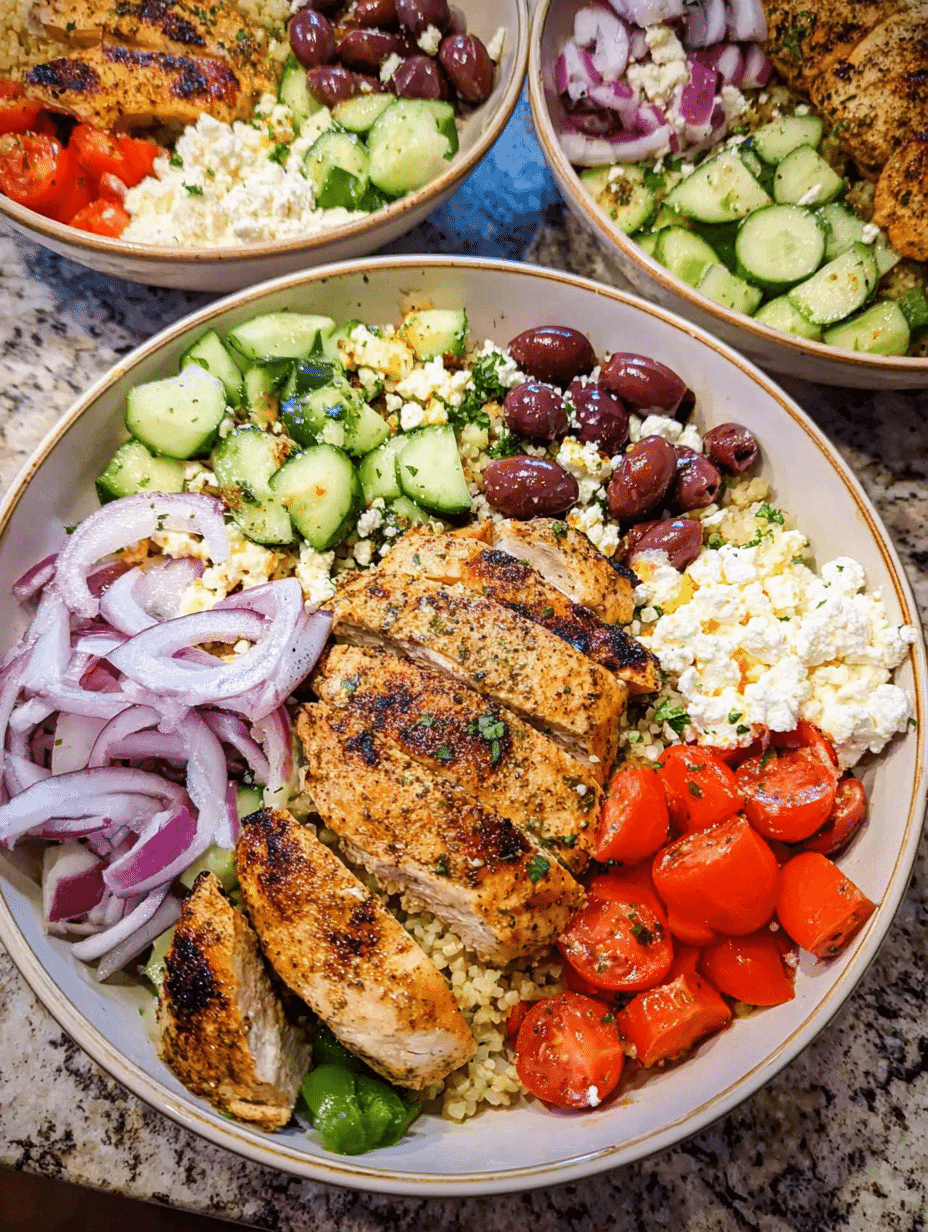
Dice your English cucumber (no need to peel, as the skin contains most of the fiber), chopped Roma tomatoes, and red onion. In your meal prep containers, layer the fluffy quinoa first, followed by a generous portion of sliced chicken. Top with the fresh vegetable mixture, crumbled feta, and Kalamata olives. Drizzle with any remaining dressing just before sealing or serving.
Recipe Variations for Every Palate
- The Air-Fryer Method: For an even faster version, air fry the marinated chicken at 375°F for 12-15 minutes. This creates a slightly crispier exterior without the need for excess oil.
- The Beef Alternative: If you prefer red meat, swap the chicken for lean sirloin tips. Use the same marinade, but reduce the marinating time to 30 minutes to avoid the acid making the beef mushy.
- Low-FODMAP Adjustment: Remove the garlic and onion, and use garlic-infused olive oil in the marinade to keep the flavor high while being gentle on the digestive system.
Save This to Pinterest for Your Weekly Meal Planning
This Greek Chicken Bowl recipe is designed to be a permanent fixture in your culinary rotation. Whether you are looking for a high-intensity post-workout meal or a light, refreshing dinner that doesn’t leave you feeling bloated, this dish delivers. The vibrant colors of the Mediterranean diet aren’t just for show—they represent a diverse array of antioxidants that support whole-body health. If you enjoyed this recipe, please leave a 5-star rating and share it with your meal-prepping community! Don’t forget to pin this to your “Healthy Dinners” or “Meal Prep Ideas” board on Pinterest so you never lose this recipe.
Greek Chicken Bowls (Easy Healthy Meal Prep Dinner)
Ingredients
Method
- Marinate the chicken: In a bowl, mix 2 tablespoons olive oil, lemon juice, oregano, and garlic powder. Add the chicken breasts and marinate for at least 15 minutes.
- Preheat the oven to 400°F (200°C). Place the chicken on a baking sheet and bake for 25–30 minutes, or until fully cooked and golden.
- In the meantime, prepare the salad: In a large bowl, combine cucumbers, cherry tomatoes, olives, red onion, and feta cheese (if using).
- Once the chicken is cooked, let it rest for a few minutes, then slice it into strips.
- Assemble the bowls: Start with a base of cooked quinoa, then top with the Greek salad and slices of chicken.
- Pour the dressing (2 tablespoons olive oil and red wine vinegar, mixed with a pinch of oregano) over the bowls just before serving or store separately in the fridge.
Notes
Use non-alcoholic vinegar instead of red wine vinegar if avoiding alcohol.
Store leftovers in airtight containers in the refrigerator for up to 4 days.
To optimize macros, increase chicken portion to 10 ounces per serving.